Tel: +86-19906868508
E-mail: info@sihanmed.com

Tel: +86-19906868508
E-mail: info@sihanmed.com
If you've been paying attention to the medical device space lately, you've probably noticed something: arthroscopy is quietly becoming the backbone of modern orthopedic surgery. It's not just about better tools—it's about a whole shift in how hospitals handle joint injuries, aging patients, and outpatient care.
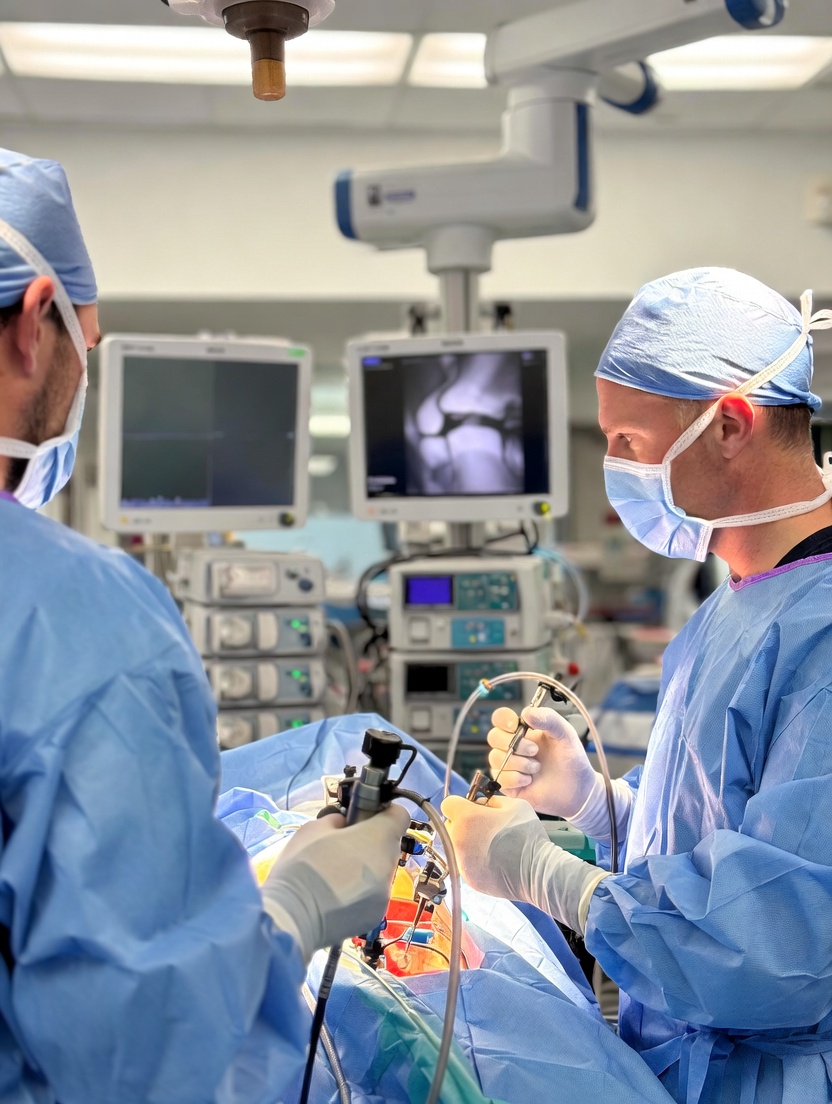
I've been following this market for a while, and the biggest takeaway is simple: the U.S. arthroscopy instruments market is growing because minimally invasive surgery is now the standard, not the exception. Surgeons want better imaging, hospitals want lower costs, and patients want faster recovery.
Let's be direct—if you're reading this for a quick takeaway, here it is:
The U.S. arthroscopy instruments market is expanding because of rising orthopedic procedures, aging population needs, and a strong trend toward refurbished equipment and repair services. Hospitals are not just buying new equipment; they’re also investing heavily in maintenance, repair, and parts supply.
In practical terms, that means:
More demand for endoscope parts for sale
More endoscope repair specialists
More interest in brands like Olympus, Karl Storz, and ConMed
Higher use of used endoscopy equipment sale in cost-sensitive regions
To help our readers better understand what arthroscopy involves and how minimally invasive instruments are used in practice, watch this educational overview by Mayo Clinic orthopedic specialists explaining the key steps and benefits of arthroscopic procedures:
When you look at the numbers, the growth is pretty obvious. Sports injuries are increasing, especially among younger adults. At the same time, the population is aging, which means more osteoarthritis and joint degeneration. These two factors are pushing hospitals to perform more arthroscopic surgeries.
What’s interesting is that hospitals are now balancing two priorities:
Surgeons want clearer images. That’s why devices like the Karl Storz TL300 and Olympus WA33036A are in high demand. High-definition imaging is no longer a “nice to have”—it’s expected.
Budget constraints are real, especially for community hospitals. That’s why refurbished endoscopy equipment sale is becoming mainstream. It’s not just “cheaper equipment”—it’s a strategic choice.
If you want to understand what arthroscopy is and why it’s so widely used, the basic definition is well explained in Wikipedia’s arthroscopy article.
.jpg "ArthroDemandDrivers")
Arthroscopy instruments are more than just scopes. A typical system includes:
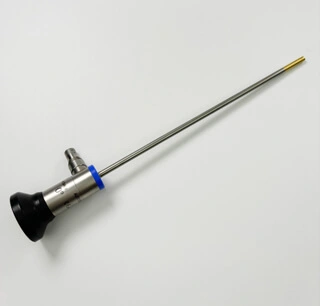
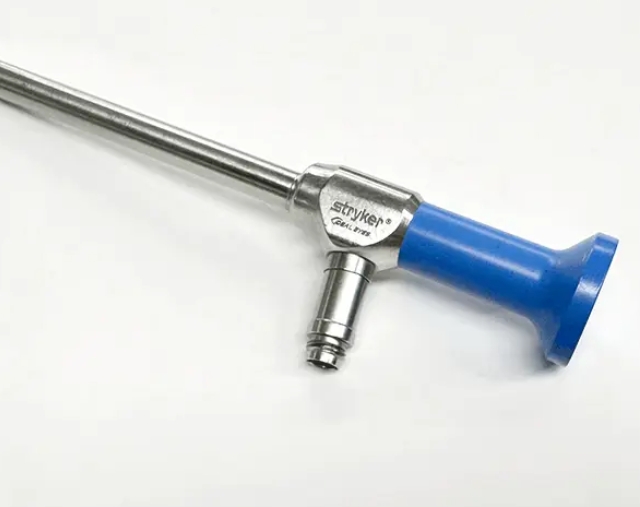
Rigid endoscopes
Surgical cameras
Light sources
Insufflators
Shavers and burrs
Replacement parts and cables
A big part of the market is also endoscope repair. In many hospitals, repair is as common as buying. That includes:
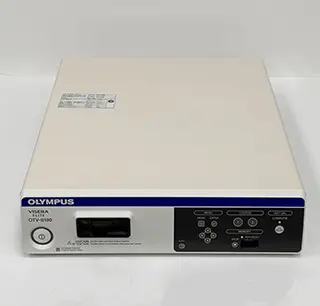
Olympus surgical camera repair
Karl Storz TC300 repair
Rigid cystoscope repair
For many clinics, the real question isn’t “should we buy new equipment?” It’s “how do we keep the existing equipment working?”
Here’s how the market looks across the U.S.:
| Region | Market Condition | Why it’s strong | Typical needs |
| Northeast | Very strong | Large hospitals, high research activity | Olympus, Karl Storz systems |
| West Coast | Strong | Sports injuries, advanced clinics | Neuroendoscope, rigid scopes |
| Midwest | Moderate | Budget sensitivity | Refurbished equipment, repair |
| South | Growing | Expanding outpatient centers | ConMed electro surgical unit, parts |
The Northeast and West Coast tend to lead because they have more academic medical centers and sports medicine facilities. These areas adopt new technologies faster, driving demand for premium devices like Karl Storz nephroscope and Olympus A22003A.
Faster recovery for patients
Shorter hospital stays
Reduced infection risk
Better surgical precision
High initial investment
Repair costs can be high
Need for specialized training
Replacement parts may be limited
That’s where the market for endoscopy parts suppliers becomes important. Hospitals need reliable sources for endoscope replacement parts, including things like STORZ H3-Z cable and Olympus A22001A rigid scope parts.
If you ask any hospital procurement officer, they’ll tell you the same thing: maintenance and repair are a major part of the budget.
It’s not just about saving money. It’s about keeping surgical schedules running. A broken scope can delay surgeries and create chaos in a hospital’s OR schedule.
Common repair services include:
Endoscope repair
Rigid cystoscope repair
Karl Storz scope repair
Olympus endoscope repair
Neuroendoscope repair
Many hospitals choose repair because it’s faster than waiting for a new system, and often cheaper.
When it comes to understanding how medical devices are regulated and why compliance matters, the FDA’s medical device guidance is a useful reference.
The biggest shift I see is this: the market is becoming more service-oriented. It’s no longer just about selling instruments—it’s about offering long-term maintenance and support.
That means:
More endoscope repair specialists
More focus on replacement parts
More adoption of refurbished equipment
Stronger relationships between hospitals and suppliers
The trend is especially strong in regions where budgets are tight. In those markets, used endoscopy equipment sale and endoscopy scope parts are not just options—they’re the norm.
To add credibility and support SEO, here are reliable sources you can link to:
Wikipedia – Arthroscopy (definition and history)
NIH (National Institutes of Health) – clinical studies and research
AAOS (American Academy of Orthopaedic Surgeons) – patient information and guidelines
FDA – device approvals and regulatory information
In most U.S. hospitals, the “must-have” list usually includes rigid endoscopes, arthroscopy cameras, light sources, and shavers. The bigger hospitals also invest in complete systems like Karl Storz TL300 and Olympus WA33036A. The smaller clinics often buy refurbished endoscopy equipment because it’s cheaper but still reliable.
Because these tools are expensive and delicate. A broken camera head or a damaged lens can stop a surgery schedule fast. So hospitals don’t just buy new equipment—they rely on endoscope repair specialists. Common repair needs include rigid cystoscope repair, Karl Storz scope repair, and Olympus surgical camera repair.
It depends. Parts like Olympus A22001A rigid scope parts or STORZ H3-Z cable are available, but you need a reliable endoscope parts supplier. The big challenge is compatibility—some parts only work with specific models. That’s why many hospitals prefer working with suppliers who understand the exact device model.
New equipment comes with full warranty and the latest tech. Used or refurbished systems are cheaper, but you have to check the condition carefully. Many hospitals choose used endoscopy equipment sale because it saves money without compromising too much on performance—especially for basic systems and older models.
Yes. Nephroscopes (kidney-related endoscopes) and neuroendoscopes are in steady demand in specialized centers. Brands like Karl Storz nephroscope are popular. However, these devices often require more specialized maintenance, so repair services and endoscopy scope parts are crucial.
Most hospitals balance between buying new and repairing existing systems. They often keep a repair budget for items like endoscope replacement parts, endoscopy machine parts, and electro surgical units. Many also buy refurbished systems to reduce overall costs.
U.S. Endoscope Repair Market: A Comprehensive Strategic Analysis and Forecast
Germany Disposable Ureteroscope Market: How German Hospitals Are Rethinking Urology Equipment
Germany’s Flexible & Semi-Rigid Ureteroscopy Market: Repair, Parts, and Cost Drivers
UK Arthroscopes Market: Why Demand Is Steady and Repairs Matter
US Arthroscopy Instruments Market: Trends, Repair Demand, and Cost Drivers
Percutaneous Nephroscope Market: Global Trends, Pricing Insights, and Equipment Ecosystem
China Endoscopy Devices Market: What’s Driving Growth and Where the Opportunities Are

With years of dedication to the medical equipment industry, Shengjun He has leveraged his solid professional expertise and keen insight into industry trends to establish Sihan Medical as a leading force in the endoscope repair sector. Prior to founding Sihan Medical, he accumulated extensive experience in medical device maintenance—a foundation that proved instrumental for his entrepreneurial journey. His background spans hands-on equipment repair, technical R&D, and management, granting him comprehensive understanding of medical devices, from their underlying technology to market demands.
This is the first one.