Tel: +86-19906868508
E-mail: info@sihanmed.com

Tel: +86-19906868508
E-mail: info@sihanmed.com
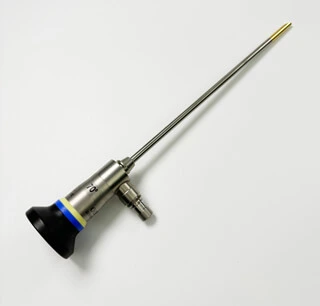
Rigid endoscopes remain essential tools in modern minimally invasive surgery, supporting procedures across urology, laparoscopy, ENT, and general surgery. Among global manufacturers, Karl Storz and Olympus are widely recognized for their engineering quality and long-term clinical reliability. While both brands deliver high-performance rigid endoscopes, their product design philosophy, optical construction, durability, and lifecycle management show meaningful differences that matter to surgeons, biomedical engineers, and procurement teams.
Karl Storz rigid endoscopes emphasize precision-engineered rod-lens optics, broad compatibility, and long service life, making them suitable for multi-specialty environments. Olympus rigid endoscopes focus on optical consistency, ergonomic handling, and integration within Olympus imaging ecosystems, appealing to facilities seeking standardized workflows and predictable maintenance. Both meet clinical standards; selection depends on system compatibility, maintenance strategy, and long-term cost planning.
Karl Storz rigid endoscopes are built around a well-established rod lens endoscope design. This optical architecture prioritizes brightness, contrast, and minimal distortion, even in smaller-diameter scopes. Storz places strong emphasis on optical alignment and lens spacing, resulting in stable image quality throughout the scope’s lifecycle when proper handling and rigid endoscope cleaning protocols are followed. Clinics often pair these scopes with surgical cameras sourced from China endoscope camera suppliers to optimize visualization across multiple OR setups.
Olympus rigid endoscopes also rely on rod-lens–based optical systems, but with a focus on uniform illumination and color consistency across different scope models. Olympus scopes are commonly selected for environments where surgeons value predictable visual output across departments, particularly when paired with Olympus camera heads and processors. This system philosophy is supported by robust endoscopy scope parts networks that facilitate serviceability and camera upgrades.
From a clinical perspective, both brands deliver excellent visualization. The practical difference lies in system philosophy:
Storz scopes are often chosen for flexibility across mixed camera systems.
Olympus scopes tend to perform best within a fully standardized Olympus imaging environment.
Mechanical durability directly affects scope longevity, repair frequency, and operating room downtime.
Storz rigid endoscopes feature robust stainless-steel housings and reinforced optical channels designed to tolerate repeated sterilization cycles. Their construction supports long-term use, especially in high-volume centers. When damage does occur, hospitals frequently rely on rigid endoscope repair services or certified technicians for optical realignment or component replacement. In high‑usage environments, access to arthroscopy instruments suppliers helps streamline procurement of compatible instruments and accessories.
Olympus rigid endoscopes are engineered with a strong emphasis on balance and handling. Their mechanical design supports ergonomic maneuverability, reducing surgeon fatigue during longer procedures. Olympus also emphasizes consistency in internal components, simplifying diagnosis and repair workflows for biomedical teams.
In both cases, collaboration with an experienced endoscope repair specialist is essential to preserve optical performance, prevent fluid ingress, and maintain patient safety standards. Working with an endoscope parts supplier ensures that consumable and replaceable components are available for timely servicing.
Karl Storz rigid endoscopes are widely used across multiple specialties due to their compatibility with different light sources, camera systems, and surgical setups. This versatility is particularly valuable for hospitals operating hybrid ORs or gradually upgrading imaging equipment. This adaptability is supported by collaborations with rigid endoscope manufacturers worldwide to accommodate evolving clinical needs.
Olympus rigid endoscopes are designed to integrate seamlessly with Olympus towers and imaging processors. This tight integration streamlines training, reduces setup errors, and supports standardized workflows across departments.
From a workflow standpoint:
Storz favors adaptability and cross-platform usage
Olympus favors consistency and ecosystem alignment
Facilities that anticipate frequent equipment changes may prefer Storz, while those focused on uniformity and staff familiarity may lean toward Olympus.
Beyond purchase price, rigid endoscopes must be evaluated based on total cost of ownership (TCO).
Storz: Long service life and broad third-party support make replacement components relatively accessible through authorized service providers and endoscope parts for sale channels. This flexibility can reduce downtime and extend product lifespan. Facilities can also explore endoscopy repair parts inventory planning for optimized maintenance cycles.
Olympus: Predictable maintenance cycles and standardized components support stable budgeting. Olympus users often benefit from streamlined procurement and clearly defined service intervals. This predictability aligns well with long‑term clinical equipment planning supported by endoscopy parts ecosystems.
Both brands support structured maintenance programs, and facilities commonly invest in rigid endoscope repair training to reduce reliance on external services and improve turnaround times.
| Aspect | Karl Storz Rigid Endoscope | Olympus Rigid Endoscope |
|---|---|---|
| Optical system | Precision rod lens endoscope design | Rod-lens system with uniform illumination |
| System compatibility | Cross-platform, multi-brand | Optimized for Olympus ecosystems |
| Mechanical durability | Reinforced stainless-steel construction | Balanced design with ergonomic focus |
| Maintenance approach | Flexible repair channels, third-party support | Standardized service and maintenance cycles |
| Long-term value | High adaptability, extended lifespan | Predictable costs, workflow consistency |
Storz focuses on cross-platform compatibility and optical precision, while Olympus emphasizes system standardization and consistent visual output within its imaging ecosystem.
Yes. Both require strict rigid endoscope cleaning and validated sterilization protocols to protect optics and internal seals.
Both are repairable, but availability of parts and service depends on region. Many hospitals work with an independent endoscope repair specialist for routine maintenance and emergency repairs.
Yes. Proper handling, scheduled maintenance, and access to endoscope parts for sale significantly reduce long-term ownership costs for both brands.
Absolutely. Rigid endoscope repair training improves instrument lifespan, reduces damage, and lowers unexpected downtime.

With years of dedication to the medical equipment industry, Shengjun He has leveraged his solid professional expertise and keen insight into industry trends to establish Sihan Medical as a leading force in the endoscope repair sector. Prior to founding Sihan Medical, he accumulated extensive experience in medical device maintenance—a foundation that proved instrumental for his entrepreneurial journey. His background spans hands-on equipment repair, technical R&D, and management, granting him comprehensive understanding of medical devices, from their underlying technology to market demands.