Tel: +86-19906868508
E-mail: info@sihanmed.com

Tel: +86-19906868508
E-mail: info@sihanmed.com
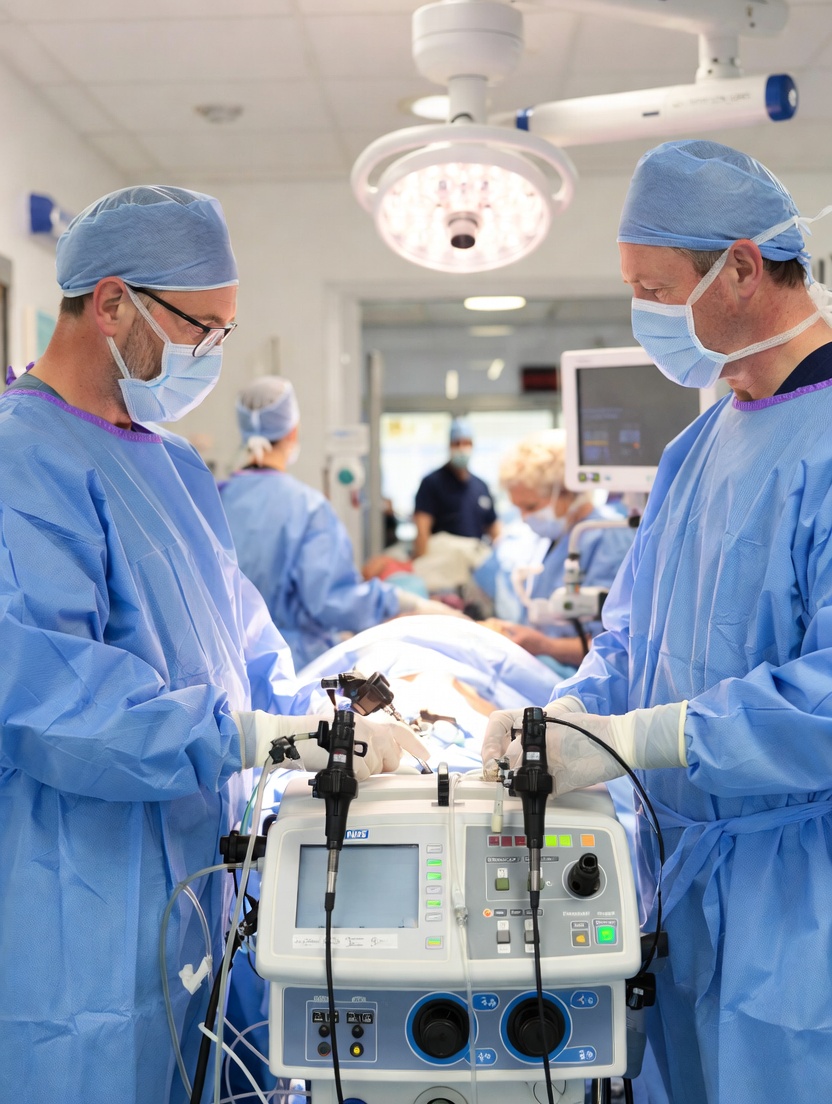
In the UK, arthroscopy is pretty common now, especially for knees and shoulders. It’s something you see in almost every orthopaedic department. The main reason is simple: it’s less invasive, patients recover faster, and hospitals can fit in more procedures. From my side of things, that also means arthroscopes and the related equipment are used constantly, in both NHS and private clinics.
Arthroscopy is common in the UK for a couple of simple reasons. People are getting older, and joint issues come with that. Then you’ve got sports injuries—young people still end up in orthopaedics a lot. So hospitals are doing these procedures all the time.
Cost is another big reason. NHS budgets aren’t huge, so hospitals don’t want to buy a whole new system just because one part fails. That’s why clinics often go for endoscopy repair parts or call a repair specialist. Most of the time, swapping a cable or fixing the camera keeps the unit going for years.
The UK market isn’t huge compared to the rest of Europe, but it’s steady. People talk about it in the hundreds of millions, and it just grows a little bit each year. Nothing dramatic, just slow and consistent—especially as more procedures move to outpatient clinics.
There are a couple of reasons why arthroscopy is so common in the UK. First, the UK has an aging population, and joint issues become more frequent with age. Second, sports injuries—especially among younger people—still make up a large share of orthopaedic cases. Both of these factors push hospitals to use arthroscopy more often.
On the repair side, cost is a major driver. NHS budgets are tight, and hospitals don’t want to replace a whole system if they don’t have to. That’s why you see a lot of clinics buying endoscopy repair parts or working with endoscopy repair specialists. In many cases, swapping out a cable or repairing a camera is enough to keep a unit running for years, instead of buying a new setup.
.jpg "UK Arthroscopy Market Growth")
The arthroscopes sector in the UK is part of a broader endoscopy devices market that includes rigid and flexible systems. According to industry research, the wider UK endoscopes market was valued at around USD 398.6 million in 2023 and is expected to grow significantly in the next few years.
Here’s a simple overview of how related segments fit together:
| Segment | What it Includes | Who Usually Buys It | Source |
| Arthroscopes & systems | Scopes, cameras, light sources | Hospitals & large clinics | UK arthroscopy revenue ~USD 333.7M (Grand View Research) |
| Parts & accessories | Cables, optics, connectors | Clinics & repair shops | UK endoscopes market ~USD 398.6M (Grand View Research) |
| Repair & maintenance | Camera repair, scope refurbishment | NHS & private clinics | NHS procedure trends & repair focus (GlobalData) |
| Broader endoscopy environment | Flexible/routine scopes | Clinics & hospitals | UK endoscopes market expansion outlook |
For a basic explanation of arthroscopy and how it fits into minimally invasive surgery, see the official description on Wikipedia.
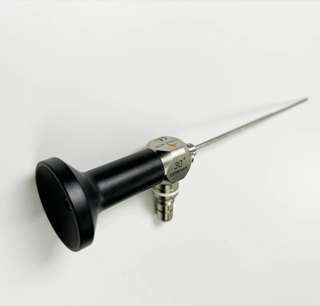
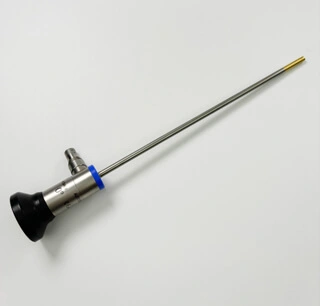
In the UK, most arthroscopy work uses rigid scopes. They’re straightforward, tough, and the image stays steady, which is what surgeons want. As for cost, a basic rigid scope usually sits around £1,800, but once you add a camera system and other accessories, you can easily see prices closer to £9,000 or more. The top-end kits can be even pricier if they include the latest camera tech.
Hospitals also spend a lot on parts and accessories, since replacing individual components is much cheaper than buying a new system. Common items include:
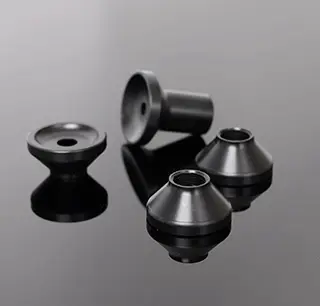
endoscopy scope parts
light sources and connectors
CO₂ systems such as storz CO2 insufflator
Many clinics also buy used endoscopy equipment sale products to reduce costs, especially when they just need a backup system or a second-hand unit for less critical procedures. And for clinics that want to upgrade but keep costs down, medical endoscope for sale listings can be a practical option.
On the repair side, UK hospitals often rely on local service providers for endoscopic camera repair and scope refurbishment. Some larger hospitals also need specialized services like Neuroendoscope repair or Cystoscope repair, depending on the clinical department. And it’s not just the scope—endoscopy machine parts also get replaced regularly to keep systems running.
The UK market is dominated by global brands, but local service and spare parts support matters a lot. The main players include:
Karl Storz – very common in UK hospitals
Olympus – strong imaging systems
Smith & Nephew – popular in orthopaedics
Stryker – widely used visualization tools
ConMed – often used for surgical systems and refurbished options
Hospitals don’t just buy the device—they buy support, spare parts, and training. That’s why brands with strong UK service networks often perform better.
A: From a repair standpoint, price varies a lot. A basic rigid scope might be around £1,800, but a full system with camera, light source, and accessories can easily hit £9,000+. Many hospitals don’t buy just a scope—they buy a full setup, so replacement costs can be high if a whole system fails.
A: Usually it’s not the scope itself. It’s the bits that get handled a lot—cables, connectors, and the camera head. Those take the most abuse in daily use.
A: Most of the time it’s the image. Either it’s flickering, going dark, or just looks off. Usually that points to the cable or the camera head, not the scope itself. I’d say 7 out of 10 calls are about video problems.
A: If it’s the same part failing repeatedly, it gets old fast. But if the scope is otherwise fine, repairing is still cheaper than replacing. The key is to look at the history—if it’s been repaired a few times already, it might be time to consider a new unit.
A: A good shop won’t just say “fixed” and send it back. They should test the scope properly, give you a short report, and offer some kind of warranty. If they can’t explain what was wrong or what they replaced, I’d be cautious.
U.S. Endoscope Repair Market: A Comprehensive Strategic Analysis and Forecast
Germany Disposable Ureteroscope Market: How German Hospitals Are Rethinking Urology Equipment
Germany’s Flexible & Semi-Rigid Ureteroscopy Market: Repair, Parts, and Cost Drivers
Arthroscopy Instruments Market in the U.S.: What’s Really Driving Demand
US Arthroscopy Instruments Market: Trends, Repair Demand, and Cost Drivers
Percutaneous Nephroscope Market: Global Trends, Pricing Insights, and Equipment Ecosystem
China Endoscopy Devices Market: What’s Driving Growth and Where the Opportunities Are

With years of dedication to the medical equipment industry, Shengjun He has leveraged his solid professional expertise and keen insight into industry trends to establish Sihan Medical as a leading force in the endoscope repair sector. Prior to founding Sihan Medical, he accumulated extensive experience in medical device maintenance—a foundation that proved instrumental for his entrepreneurial journey. His background spans hands-on equipment repair, technical R&D, and management, granting him comprehensive understanding of medical devices, from their underlying technology to market demands.
This is the last one.