Tel: +86-19906868508
E-mail: info@sihanmed.com

Tel: +86-19906868508
E-mail: info@sihanmed.com
Germany has long been considered one of Europe’s most stable medical technology markets. In urology, the flexible and semi-rigid ureteroscopy market reflects this stability. Growth is not driven by aggressive device replacement, but by consistent clinical demand combined with careful asset management. Hospitals tend to extend the usable life of their scopes through maintenance, selective upgrades, and professional repair services.
In Germany, the flexible and semi-rigid ureteroscopy market is shaped more by long-term stability than by rapid expansion. Case volumes are generally predictable, capital purchases are made carefully, and repair is typically considered before full replacement. Instead of regularly upgrading to new scopes, hospitals focus on keeping existing equipment in service, which sustains steady demand for maintenance services, spare parts, and refurbished solutions.
This way of operating fits well within Germany’s healthcare environment, where budget control and technical compliance carry significant weight.
.jpg "StableRepairFocus")
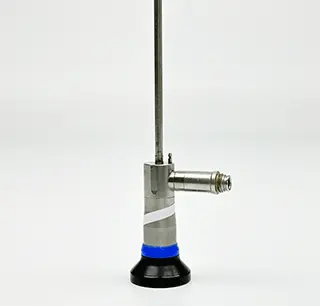
In German urology departments, equipment fleets are rarely limited to a single scope type. Flexible ureteroscopes are usually assigned to more demanding stone procedures, while semi-rigid scopes remain widely used because they are robust and easier to justify from a cost perspective. Rigid cystoscopes and nephroscopes also continue to be part of routine clinical work, especially outside major university centers. For basic clinical context, see Wikipedia – Cystoscopy and Wikipedia – Nephroscope.
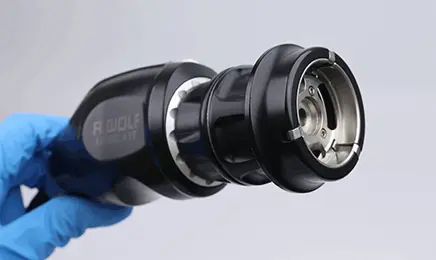
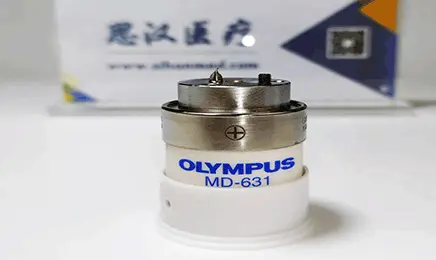
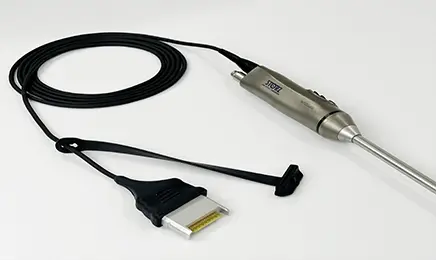
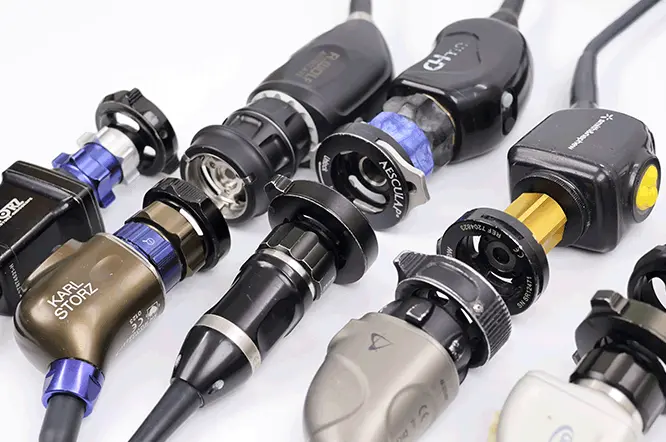
Much of the installed base comes from long-standing manufacturers such as OLYMPUS and Karl Storz. It is common to find systems that have been in service for many years, maintained through regular servicing rather than replaced early in their lifecycle. This extended use helps explain why ongoing technical support, including rigid cystoscope repair and scheduled inspections, remains a constant requirement.
Flexible ureteroscopes are used for complex stone cases, while rigid cystoscopes and nephroscopes remain common in routine workflows.
To help readers better understand the clinical context of ureteroscopy and how it is used to treat kidney stones, here’s a short overview from Mayo Clinic showing how minimally invasive procedures like this are performed and why imaging and scope reliability matter in practice:
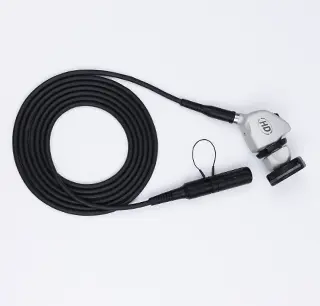
With frequent clinical use, wear on endoscopic equipment is largely unavoidable. Components related to imaging, articulation, and connectivity tend to show fatigue first. It is common for hospitals to schedule endoscopic camera repair over time to preserve image quality, particularly when older camera units are integrated with more recent display technology.
In some facilities, surgical camera repair becomes a routine expense rather than an emergency cost. These repairs allow hospitals to keep existing systems functional without committing to full platform upgrades.
Another defining feature of the German market is the ongoing demand for accessories and replacement components. Items such as the endoscope cable WA33036A Olympus are typically replaced multiple times during a scope’s lifetime. Cable fatigue, connector wear, and compatibility issues drive repeat purchases.
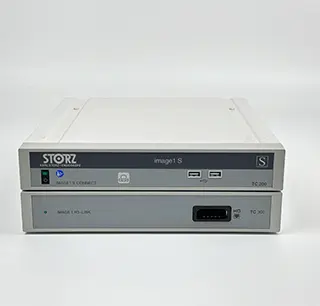
Similarly, legacy Karl Storz systems continue to require support. Components related to Karl Storz TL300 processors or older camera chains are still widely used, particularly outside university hospitals.
.jpg "GermanyEndoAccessories")
| Category | Value | Source |
| Germany ureteroscopy market size | ~USD 74.8 million | Based on European share estimates |
| Disposable ureteroscope revenue (Germany, 2024) | ~USD 10.0 million | Disposable segment outlook |
| Expected CAGR (2025–2030) | ~3.9% | Germany disposable ureteroscopy outlook |
| Europe market share | ~28.4%–29% of global | Flexible/ureteroscopy data |
This structure explains why used endoscopy equipment sale channels remain active in Germany and why refurbished endoscopy equipment is widely accepted in secondary clinical settings. For an overview of urology clinical practice in Europe, see the European Association of Urology (EAU).
Many German hospitals continue to operate older Olympus and Storz platforms. Devices using parts such as olympus A22001A or olympus A22003A remain in service long after their initial warranty periods expire.
To support these systems, hospitals work with independent providers offering endoscope parts for sale, including hard-to-source components. This has created a niche market for specialized endoscope parts suppliers capable of supporting discontinued or region-specific models.
More complex instruments, such as neuroendoscopes and nephroscopes, require a higher level of technical expertise. Neuroendoscope repair services are typically outsourced to specialized centers due to the precision involved.
In urology departments, devices like the nephroscope Karl Storz are often maintained through partial refurbishment rather than replacement, especially when optics remain intact.
Germany places strong emphasis on technical qualification and documentation. As a result, some hospitals invest in endoscope repair training for biomedical engineering teams. This allows basic maintenance tasks to be handled internally, while advanced work is referred to certified service providers.
For complex imaging chains, including systems built around TC300 Karl Storz, external expertise remains essential.
Beyond scopes themselves, hospitals also manage supporting systems carefully. Electrosurgical platforms such as a refurbished conmed electro surgical unit are commonly used alongside ureteroscopy equipment.
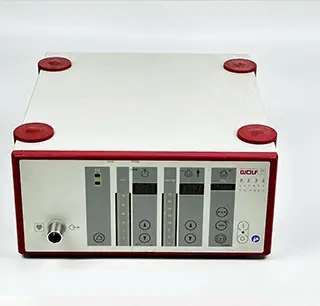
Air and CO₂ management devices, including an olympus insufflator, are rarely replaced unless performance declines significantly. Their longevity further reinforces the importance of long-term service availability.
The German flexible and semi-rigid ureteroscopy market is expected to grow gradually rather than rapidly. Future demand will be driven by:
Stable urology procedure volumes
Aging installed equipment bases
Continued reliance on repair services
Expansion of secondary and refurbished markets
Rather than focusing on frequent upgrades, hospitals are optimizing existing assets and managing endoscopy equipment cost more strategically.
In many cases, it’s simply how equipment planning works. Devices are purchased with the expectation that they will be supported for years, sometimes longer than originally planned. As long as inspections are passed and performance remains stable, there is little pressure to replace a scope just because a newer model exists.
Yes. Repair is part of normal equipment management in Germany. When scopes are serviced properly and documentation is in place, clinicians generally do not treat repaired equipment any differently from newer devices. What matters most is reliability during procedures.
Most hospitals don’t rely on refurbished systems as their primary setup in busy departments. Instead, they are often used as backup units or assigned to lower-throughput rooms. This approach reduces risk while still offering financial flexibility.
It’s rarely a single failure. Problems start when interruptions become frequent—procedures delayed, rooms rescheduled, or staff losing confidence in the equipment. At that point, the discussion shifts from technical repair to operational impact.
Very much so. Teams remember which systems were easy to support and which ones caused delays or sourcing problems years down the line. That experience tends to carry significant weight when new equipment is evaluated.
U.S. Endoscope Repair Market: A Comprehensive Strategic Analysis and Forecast
Germany Disposable Ureteroscope Market: How German Hospitals Are Rethinking Urology Equipment
UK Arthroscopes Market: Why Demand Is Steady and Repairs Matter
Arthroscopy Instruments Market in the U.S.: What’s Really Driving Demand
US Arthroscopy Instruments Market: Trends, Repair Demand, and Cost Drivers
Percutaneous Nephroscope Market: Global Trends, Pricing Insights, and Equipment Ecosystem
China Endoscopy Devices Market: What’s Driving Growth and Where the Opportunities Are

With years of dedication to the medical equipment industry, Shengjun He has leveraged his solid professional expertise and keen insight into industry trends to establish Sihan Medical as a leading force in the endoscope repair sector. Prior to founding Sihan Medical, he accumulated extensive experience in medical device maintenance—a foundation that proved instrumental for his entrepreneurial journey. His background spans hands-on equipment repair, technical R&D, and management, granting him comprehensive understanding of medical devices, from their underlying technology to market demands.
This is the first one.