Tel: +86-19906868508
E-mail: info@sihanmed.com

Tel: +86-19906868508
E-mail: info@sihanmed.com
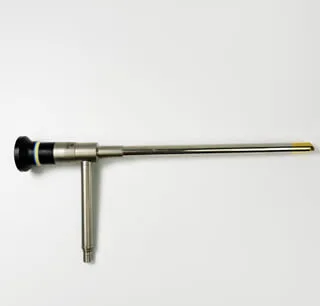
Rigid endoscopes are core instruments in modern minimally invasive surgery, particularly in arthroscopy, urology, and general endoscopic procedures. Smith & Nephew and Wolf are both globally recognized manufacturers, each offering clinically proven rigid endoscope solutions. While both brands meet high surgical standards, they differ in system philosophy, optical optimization, workflow integration, and lifecycle management, which can influence purchasing decisions for hospitals and surgical centers.
Smith & Nephew rigid endoscopes are designed to deliver optimized performance within an integrated surgical video ecosystem, emphasizing workflow efficiency and high-definition visualization. Wolf rigid endoscopes focus on modular construction and system flexibility, allowing easier component replacement and customization across specialties. Both provide reliable optical quality and durability; the optimal choice depends on whether an institution prioritizes end-to-end system integration or modular adaptability.
The most noticeable difference between Smith & Nephew and Wolf rigid endoscopes lies in their imaging philosophy.
Smith & Nephew designs its rigid endoscopes as part of a fully integrated imaging system, typically paired with proprietary camera heads, light sources, and monitors. This approach ensures predictable image quality, stable brightness, and optimized color reproduction in arthroscopy and other video-intensive procedures. Surgeons working within a standardized Smith & Nephew operating room often value the consistency of this closed-loop system.
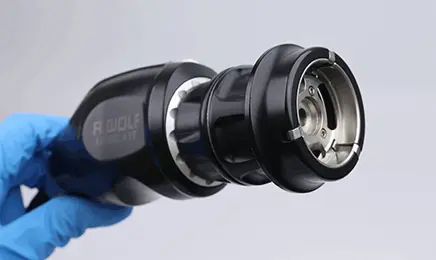
Wolf rigid endoscopes, by contrast, are engineered with modular optical design. Their scopes are compatible with a broader range of camera platforms and configurations, allowing facilities to adapt scopes to different procedural needs. This flexibility can be advantageous in hospitals that operate mixed-brand imaging environments.
From a maintenance perspective, optical performance is closely tied to proper handling and servicing. Regular inspection by an endoscope repair specialist and timely replacement of worn optical components help preserve image clarity over time.
Both brands manufacture rigid endoscopes intended for repeated sterilization and long-term clinical use, yet their mechanical strategies differ.
Smith & Nephew rigid endoscopes are built with durability and workflow efficiency in mind. Their designs emphasize sealed construction and standardized interfaces, reducing setup variability in the operating room. When damage occurs, facilities often rely on certified rigid endoscope repair services to restore optical alignment and mechanical integrity.
Wolf rigid endoscopes stand out for their modular mechanical architecture. Components such as the forceps channel or internal pathways can be serviced or replaced individually, minimizing downtime. This modularity also supports targeted repairs rather than full instrument replacement, which can be cost-effective for high-volume centers.
Hospitals with in-house biomedical teams may also invest in rigid endoscope repair training, enabling faster turnaround and improved control over maintenance schedules. Access to reliable endoscope parts for sale is particularly important when managing modular systems.
Clinical versatility is where Smith & Nephew and Wolf often appeal to different types of institutions.
Smith & Nephew rigid endoscopes are well-suited to facilities that value standardized workflows. Their scopes integrate seamlessly into Smith & Nephew’s broader surgical ecosystem, supporting consistent video output, recording, and documentation. This can reduce training complexity for OR staff and improve procedural efficiency.
Wolf rigid endoscopes, meanwhile, emphasize cross-specialty adaptability. Their compatibility with various imaging systems allows a single scope platform to be used across multiple departments, including urology, ENT, and general surgery. For hospitals with diverse procedural requirements, this adaptability can simplify inventory management.
Regardless of brand, long-term performance depends on proper sterilization, routine inspection, and access to qualified service providers. Many institutions collaborate with external endoscope repair specialists to ensure compliance and instrument longevity.
Initial purchase price is only one factor in rigid endoscope selection. A more accurate comparison looks at total cost of ownership over five to seven years.
Higher upfront investment when purchased as part of a complete imaging system
Predictable performance and streamlined workflows
Strong value for facilities committed to a single-vendor ecosystem
Competitive initial pricing for modular scopes
Lower long-term repair costs due to replaceable components
Flexible sourcing of endoscope parts for sale, supporting cost control
Facilities should factor in service contracts, repair frequency, staff training, and procedure volume when evaluating long-term value.
| Aspect | Smith & Nephew Rigid Endoscope | Wolf Rigid Endoscope |
|---|---|---|
| Imaging approach | Integrated system optimization | Modular, cross-platform compatibility |
| Optical consistency | High within dedicated ecosystem | High across varied configurations |
| Mechanical design | Sealed, standardized construction | Modular, service-friendly components |
| Maintenance strategy | Certified repair and replacement | Component-level repair and upgrades |
| Best fit for | Standardized OR environments | Multi-specialty, mixed-system hospitals |
Smith & Nephew scopes provide consistent performance within a unified system, while Wolf scopes offer flexibility for facilities using multiple imaging platforms.
Wolf’s modular design can simplify repairs, while Smith & Nephew relies more on certified rigid endoscope repair services for full-system restoration.
Yes. Both brands support global service networks, and many hospitals source compatible endoscope parts for sale through authorized suppliers or third-party service providers.
Basic handling training is recommended for both, but facilities managing repairs internally often benefit from formal rigid endoscope repair training.
Smith & Nephew may offer better value in standardized, high-throughput ORs, while Wolf can be more cost-efficient for institutions prioritizing modularity and flexible upgrades.

With years of dedication to the medical equipment industry, Shengjun He has leveraged his solid professional expertise and keen insight into industry trends to establish Sihan Medical as a leading force in the endoscope repair sector. Prior to founding Sihan Medical, he accumulated extensive experience in medical device maintenance—a foundation that proved instrumental for his entrepreneurial journey. His background spans hands-on equipment repair, technical R&D, and management, granting him comprehensive understanding of medical devices, from their underlying technology to market demands.