Tel: +86-19906868508
E-mail: info@sihanmed.com

Tel: +86-19906868508
E-mail: info@sihanmed.com
Flexible endoscopes have become a cornerstone of modern medical diagnostics and treatment. Their ability to adapt to complex anatomical pathways has made them widely preferred across multiple medical specialties. By reducing invasiveness and enhancing visualization, these instruments significantly improve diagnostic accuracy and patient outcomes.
One of the primary reasons flexible endoscopes are favored is their adaptability. In specialties such as gastroenterology, pulmonology, and urology, clinicians frequently encounter curved or narrow anatomical structures. Flexible instruments are specifically designed to navigate these pathways safely, allowing physicians to reach areas that would otherwise be inaccessible with rigid tools.
In gastroenterology, procedures like colonoscopy and gastroscopy rely on the scope’s ability to follow the natural curvature of the digestive tract. In pulmonology, flexible bronchoscopes enable detailed examination of branching airways, supporting early detection of infections, tumors, or obstructions. Urology also benefits from flexible designs when accessing the urinary tract with minimal patient discomfort.
Another significant advantage lies in reduced invasiveness. Flexible endoscopes minimize tissue stress by adapting to internal anatomy rather than forcing straight-line access. This results in less pain, reduced need for anesthesia, and faster recovery times for patients.
Because procedures can often be performed without surgical incisions, patients experience fewer complications and shorter hospital stays. This patient-centered benefit is a major factor behind the widespread adoption of flexible endoscopic techniques across disciplines.
Flexible endoscopes support both diagnostic and therapeutic procedures in a single session. High-quality imaging systems provide real-time visualization, enabling clinicians to detect abnormalities such as inflammation, polyps, or lesions at an early stage. Integrated working channels allow for biopsies, tissue sampling, and minor therapeutic interventions without changing instruments.
This combination of visualization and intervention improves workflow efficiency and reduces the need for repeat procedures. As a result, diagnostic outcomes are improved while overall healthcare costs are better controlled.
The internal structure of flexible endoscopes is engineered to balance flexibility, durability, and imaging quality. Layered materials protect internal channels while allowing controlled bending, and articulated sections at the distal end enable precise navigation. Fiber-optic or digital imaging systems ensure consistent image clarity even when the scope is fully flexed.
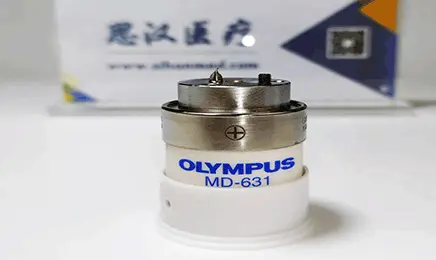
Regular inspection of critical components, such as the bending section and insertion tube, helps maintain optimal performance. Devices like an Olympus scope leak tester are commonly used to confirm internal integrity before clinical use, reducing the risk of device failure.
Consistent performance depends on proper maintenance and timely replacement of worn components. Healthcare facilities routinely manage endoscopy replacement parts and endoscope processing parts to extend equipment lifespan and ensure safety. Leak testing, routine inspection, and controlled handling are essential practices that support reliable clinical use.
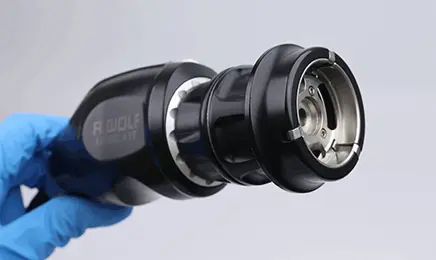
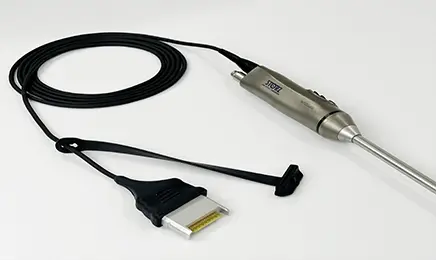
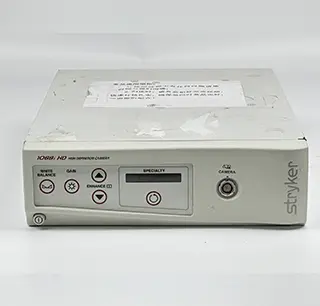
High-quality imaging modules, including those sourced from endoscope camera China suppliers, also contribute to maintaining visualization standards in cost-effective healthcare environments.
The preference for flexible endoscopes reflects a broader shift toward minimally invasive medicine. By enabling early diagnosis, targeted intervention, and improved patient comfort, flexible endoscopic technology supports better clinical decision-making and outcomes across medical fields.
As diagnostic demands increase and patient expectations evolve, flexible endoscopy continues to play a vital role in delivering efficient, accurate, and patient-focused care.
Flexible endoscopes are preferred in various medical fields due to their adaptability, reduced invasiveness, and ability to deliver accurate real-time diagnostics. Their design allows clinicians to navigate complex anatomy safely while performing both diagnostic and therapeutic tasks in a single procedure. With proper maintenance and component management, flexible endoscopic systems remain essential tools in modern medical practice, supporting improved outcomes and enhanced patient care

With years of dedication to the medical equipment industry, Shengjun He has leveraged his solid professional expertise and keen insight into industry trends to establish Sihan Medical as a leading force in the endoscope repair sector. Prior to founding Sihan Medical, he accumulated extensive experience in medical device maintenance—a foundation that proved instrumental for his entrepreneurial journey. His background spans hands-on equipment repair, technical R&D, and management, granting him comprehensive understanding of medical devices, from their underlying technology to market demands.
This is the first one.