Tel: +86-19906868508
E-mail: info@sihanmed.com

Tel: +86-19906868508
E-mail: info@sihanmed.com
Flexible endoscopes are crucial tools in modern medicine, providing minimally invasive access to internal organs for both diagnostics and therapy. The flexible endoscope structure is specifically designed to balance maneuverability, durability, and imaging quality, allowing clinicians to navigate complex anatomy safely and effectively.
The flexible endoscope is composed of multiple integrated components, each serving a distinct purpose to enhance its flexibility:
Insertion tube: Constructed from layered materials, this tube can bend along the body’s natural curves while maintaining the integrity of internal channels.
Control section: Enables precise articulation of the distal tip for accurate navigation.
Distal tip: Houses high-resolution optics and illumination systems that transmit clear images even when the scope is bent.
Working channels: Allow passage of instruments for biopsy, lesion removal, or therapeutic interventions.
Together, these elements ensure that the device maintains image quality and operational reliability, even during complex procedures.
The optimization of the flexible endoscope structure involves the use of advanced materials and articulating mechanisms. Layered tubing provides both strength and pliability, preventing kinks or damage during use. Articulating sections in the distal tip allow controlled bending, enabling clinicians to reach difficult-to-access areas such as the gastrointestinal tract or bronchial tree. This structural engineering ensures the scope remains durable while navigating challenging anatomy.
Flexible endoscopes are widely employed across multiple specialties:
Gastroenterology: Colonoscopies and gastroscopies to detect polyps, ulcers, and early-stage tumors.
Pulmonology: Bronchoscopies to assess lung and airway health.
Urology: Procedures using flexible ureteroscopes to examine the urinary tract.
The ability to bend and navigate anatomical curves safely allows physicians to perform both diagnostic and therapeutic interventions in a single session, improving patient outcomes.
Proper maintenance is essential to preserve flexibility and safety. Hospitals follow strict protocols for cleaning and sterilization, often guided by sterilization of endoscope is done by which solution, using high-level disinfectants. Devices like the Olympus scope leak tester and Karl Storz leak tester help verify the integrity of the bending sections and internal channels.
Trusted medical endoscope manufacturers and top endoscopy companies provide high-quality scopes and replacement components. Items such as endoscopy replacement parts, endoscope processing parts, and flexible endoscope accessories ensure reliable performance and durability.
The optimized flexible endoscope structure allows procedures to be minimally invasive, reducing discomfort and recovery time. Compared with rigid instruments like the Karl Storz rigid endoscope, flexible scopes navigate complex anatomy more safely, enabling clinicians to perform biopsies, tissue removal, and therapeutic procedures efficiently.
The flexible endoscope structure is meticulously engineered to combine flexibility, durability, and high-quality imaging. By understanding its components, articulating mechanisms, and material design, clinicians can maximize both diagnostic accuracy and procedural safety. Supported by reliable medical endoscope manufacturers and proper maintenance protocols, flexible endoscopes continue to play a pivotal role in modern diagnostics and minimally invasive therapy.
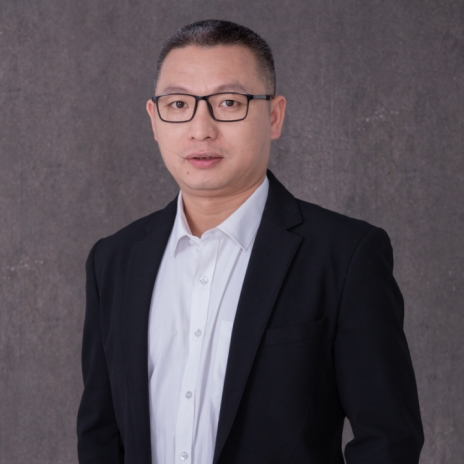
With years of dedication to the medical equipment industry, Shengjun He has leveraged his solid professional expertise and keen insight into industry trends to establish Sihan Medical as a leading force in the endoscope repair sector. Prior to founding Sihan Medical, he accumulated extensive experience in medical device maintenance—a foundation that proved instrumental for his entrepreneurial journey. His background spans hands-on equipment repair, technical R&D, and management, granting him comprehensive understanding of medical devices, from their underlying technology to market demands.
This is the first one.