Tel: +86-19906868508
E-mail: info@sihanmed.com

Tel: +86-19906868508
E-mail: info@sihanmed.com
Selecting the right endoscope provider is a strategic decision for hospitals, distributors, and medical device brands operating in the minimally invasive surgery market. With dozens of medical endoscope manufacturers competing globally, buyers must evaluate not only product quality, but also manufacturing capability, regulatory compliance, and long-term partnership potential.
This article compares 30 leading endoscope providers worldwide, offering a practical framework to evaluate medical endoscope suppliers and imaging partners—helping B2B buyers make informed sourcing and procurement decisions.
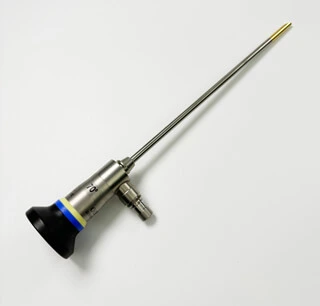
Top endoscope providers are manufacturers that produce certified rigid endoscopes and related imaging components for surgical applications, serving hospitals, distributors, and OEM brands worldwide. A clear rigid endoscope definition typically refers to non-flexible optical instruments designed for precise visualization during minimally invasive procedures. Many global buyers also consider partnerships with rigid endoscope manufacturers that can offer both core endoscope systems and compatible accessories for full clinical workflow solutions.
Unlike basic suppliers, leading providers often work closely with medical endoscope camera manufacturers to ensure seamless system compatibility, stable image quality, and reliable clinical performance.
The global medical endoscope market continues to grow, driven by:
Increasing adoption of minimally invasive surgery
Demand for faster patient recovery and reduced trauma
Expansion of surgical infrastructure worldwide
Rigid endoscopes remain essential in ENT, laparoscopy, gynecology, urology, and orthopedics due to their durability, optical clarity, and precise control. In emerging markets, distributors are also evaluating endoscope parts supplier ecosystems to secure parts availability and reduce maintenance downtime.
Today’s medical endoscope manufacturers can generally be grouped into three categories based on capability and market focus.
Rather than ranking by brand name alone, comparing providers by capability offers more value for B2B buyers.
These companies typically serve large hospitals and academic medical centers.
Key strengths
Complete visualization systems (rigid scopes, cameras, light sources)
Extensive clinical validation
Global service and training networks
Strong R&D investment
Limitations
Higher cost structures
Limited OEM or private-label flexibility
Longer customization lead times
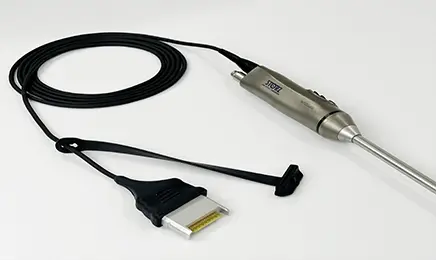
Well-known systems such as Karl Storz TC300 are often associated with this tier, reflecting a focus on fully integrated, premium surgical platforms. Clinics sometimes pair these systems with flexible ureteroscope manufacturers products when they require a spectrum of imaging solutions.
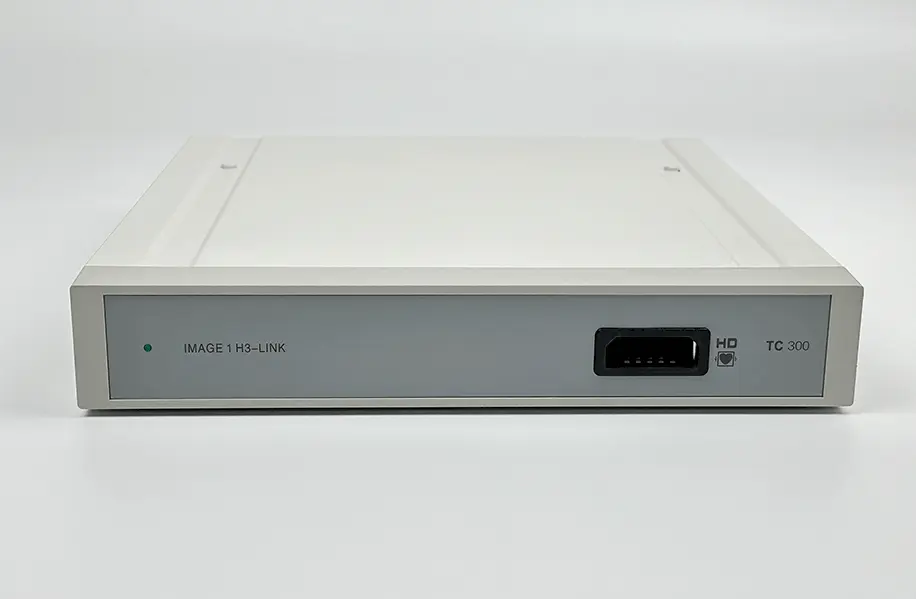
camera-storz-system-tc300
This category includes many highly capable medical endoscope suppliers serving distributors and private brands worldwide.
Key strengths
ISO 13485, CE, and FDA-compliant manufacturing
Competitive pricing with stable quality
Flexible OEM/ODM customization
Broad compatibility with multiple camera systems
Many Tier 2 manufacturers collaborate with leading medical endoscope camera suppliers, enabling integrated yet cost-efficient solutions. OEM manufacturers increasingly collaborate with endoscopy repair parts networks to ensure fast repair turnaround and lifecycle support.
As image quality becomes a primary purchasing factor, camera-focused manufacturers play an increasingly important role.
Key strengths
HD, Full HD, and 4K imaging platforms
Advanced CMOS sensor technology
Ergonomic, lightweight camera heads
Compatibility with multiple rigid endoscopes
Hospitals often combine rigid scopes from trusted manufacturers with camera systems from specialized imaging providers to optimize performance and cost. High‑definition visualization needs have also driven buying interest in imaging modules bundled with surgical towers backed by solid parts and service channels.
When comparing the top endoscope providers, B2B buyers should focus on the following factors:
High-quality rigid endoscopes rely on precision rod-lens systems, advanced coatings, and tightly controlled rigid scope parts to ensure image clarity, brightness, and alignment consistency.
Reputable medical endoscope manufacturers comply with:
ISO 13485 quality management systems
CE certification
FDA registration where applicable
These certifications are essential for global market access. These certifications are essential for global market access. Clients often verify whether suppliers include support for olympus wa53005a components in their service portfolio.
Modern operating rooms require interoperability. Leading providers design rigid endoscopes to work with multiple medical endoscope camera manufacturers, reducing dependency on single systems. Evaluations increasingly include system modularity and cross‑brand compatibility to support mixed inventory strategies. Compatibility checks may include support for legacy items like olympus a22003a or olympus a22001a when upgrading mixed fleets.
For distributors and private brands, OEM flexibility is critical. Top medical endoscope suppliers support:
Custom diameters and lengths
Multiple viewing angles
Private labeling and branding
Scalable production capacity
Some buyers may also evaluate used olympus endoscopy equipment as part of cost-effective sourcing strategies.
Durability under repeated sterilization, availability of spare parts, and responsive technical support significantly impact total cost of ownership. Total lifecycle evaluation now often includes access to endoscope parts for sale and local service accessibility across key markets.
Demand for HD and 4K-compatible rigid endoscopes continues to rise, driving closer collaboration between scope and camera manufacturers.
More distributors are building proprietary brands using OEM medical endoscope manufacturers, particularly in emerging markets.
Manufacturers are investing in improved materials and sealing technologies to extend product lifespan. This has led some buyers to compare material quality scores alongside vendor service networks in their procurement checklists. When clinics expect long intervals between overhauls, they may also train staff in rigid endoscope repair training to maximize uptime.
Healthcare investment in Asia, Latin America, and the Middle East is increasing demand for reliable, certified endoscope providers.
The “best” provider depends on your role in the supply chain:
Hospitals prioritize reliability, system integration, and clinical support
Distributors focus on quality consistency, pricing, and OEM flexibility
Medical brands value customization depth and long-term scalability
Partnering with experienced medical endoscope manufacturers that collaborate with trusted medical endoscope camera suppliers ensures sustainable growth and market competitiveness. Some buyers also assess the strength of local service networks and parts accessibility, especially for rigid endoscope supplier partnerships in key regions. For example, entities that also incorporate storz nephroscope technologies may offer broader portfolios spanning urology and surgical imaging needs.
As minimally invasive surgery evolves toward higher-definition imaging and AI-assisted procedures, endoscope providers capable of system-level integration will lead the market.
Manufacturers that balance optical excellence, regulatory compliance, and OEM flexibility will continue to rank among the top global suppliers.
Roughly 30 manufacturers dominate global hospital, distributor, and OEM supply chains.
Quality consistency, certifications, system compatibility, and long-term support.
Yes, many manufacturers specialize in OEM and private-label production.
Most modern rigid endoscopes support multiple camera systems, but compatibility should always be verified.
HD/4K integration, OEM growth, durability improvements, and emerging market expansion

With years of dedication to the medical equipment industry, Shengjun He has leveraged his solid professional expertise and keen insight into industry trends to establish Sihan Medical as a leading force in the endoscope repair sector. Prior to founding Sihan Medical, he accumulated extensive experience in medical device maintenance—a foundation that proved instrumental for his entrepreneurial journey. His background spans hands-on equipment repair, technical R&D, and management, granting him comprehensive understanding of medical devices, from their underlying technology to market demands.