Tel: +86-19906868508
E-mail: info@sihanmed.com

Tel: +86-19906868508
E-mail: info@sihanmed.com
Rigid medical endoscopes remain a cornerstone of minimally invasive surgery, providing surgeons with precise visualization in ENT, laparoscopy, urology, gynecology, and orthopedic procedures. As surgical volumes continue to rise globally, hospitals, distributors, and medical device brands are placing greater emphasis on selecting reliable endoscope companies with stable manufacturing capabilities and long-term supply assurance.
In 2025, the top rigid medical endoscope companies are manufacturers that combine optical engineering expertise, certified production systems, and compatibility with advanced imaging platforms to support modern surgical workflows. Understanding how to compare these companies is essential for buyers seeking consistent quality, regulatory compliance, and scalable partnerships in an increasingly competitive global market.
A top rigid medical endoscope company is not defined by brand recognition alone. Instead, leading manufacturers distinguish themselves through a combination of optical performance, manufacturing standards, and system integration capabilities.
In today’s market, the most competitive endoscope companies typically:
Manufacture rigid endoscopes for multiple clinical specialties
Comply with international standards such as ISO 13485 and CE
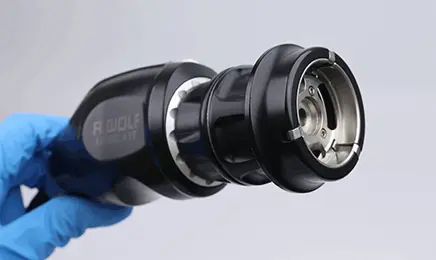
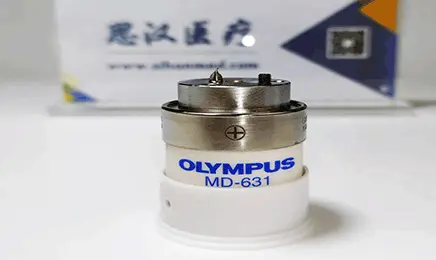
Design products compatible with leading endoscope camera manufacturers
Support OEM and private-label partnerships for global distributors
These factors allow manufacturers to serve both hospital procurement teams and B2B partners seeking long-term collaboration.
The global rigid endoscope market continues to expand steadily, supported by long-term structural trends:
Growing adoption of minimally invasive surgical techniques
Increasing demand for precise visualization and reduced patient trauma
Technological improvements in optics and imaging sensors
Healthcare infrastructure investment in emerging markets
While flexible endoscopy dominates diagnostic procedures, rigid endoscopes remain essential in operating rooms due to their durability, optical clarity, and precise control. As a result, hospitals increasingly evaluate rigid endoscopes as part of integrated surgical systems that include cameras, light sources, and electrosurgical equipment.
Rather than listing company names alone, it is more useful to compare manufacturers by their core strengths and market focus.
Large multinational manufacturers continue to dominate premium hospital segments.
Key strengths
Broad portfolios including rigid endoscopes, cameras, light sources, and accessories
Extensive clinical validation and global service networks
Strong R&D investment and technology leadership
Limitations
Higher procurement and maintenance costs
Limited flexibility for OEM or private-label programs
Longer lead times for customization
These companies are often preferred by large hospitals seeking fully integrated, brand-backed systems.
This group includes manufacturers that focus primarily on rigid endoscope production.
Key strengths
Deep optical engineering expertise
Consistent image quality and mechanical durability
Competitive pricing for distributors and mid-sized hospitals
Flexible OEM and customization capabilities
Many of these manufacturers work closely with endoscope camera manufacturers, ensuring broad compatibility and system-level performance.
OEM-oriented manufacturers play an increasingly important role in global supply chains.
Key strengths
Private-label manufacturing for regional brands
Custom specifications for diameter, length, and viewing angle
Scalable production capacity
Strong cost-performance balance
For distributors and medical device brands, OEM-focused endoscope companies provide a pathway to build differentiated product lines without large upfront investment.
For B2B buyers, comparing manufacturers requires a structured evaluation framework rather than surface-level feature comparisons.
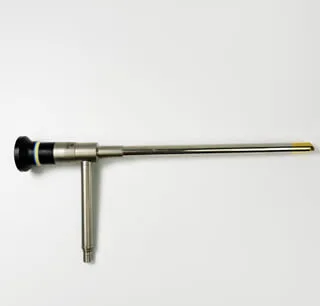
High-quality rigid endoscopes rely on precision rod-lens systems, optical coatings, and strict assembly tolerances. Leading manufacturers invest heavily in optical consistency to ensure brightness, clarity, and minimal distortion.
Reputable manufacturers comply with international regulatory requirements, including:
ISO 13485 quality management systems
CE certification for European markets
FDA registration where applicable
These certifications are essential indicators of reliability when selecting a long-term supplier.
Modern operating rooms require interoperability. Top rigid endoscope companies design their products to work seamlessly with systems from multiple endoscope camera manufacturers, reducing dependency on proprietary platforms.
Customization has become a major differentiator in 2025. Competitive manufacturers support:
OEM and ODM services
Private labeling and branding
Custom optical specifications
Stable long-term supply agreements
This flexibility is particularly valuable for distributors and private brands operating in diverse regional markets.
Rigid endoscopes undergo frequent sterilization cycles. Manufacturers that invest in improved sealing, materials, and assembly processes deliver longer product lifespans and lower total cost of ownership.
Demand for HD, Full HD, and 4K-compatible rigid endoscopes continues to rise. Manufacturers that collaborate closely with endoscope camera manufacturers are better positioned to meet hospital expectations.
More distributors are sourcing from OEM-focused endoscope manufacturers to build proprietary brands, particularly in cost-sensitive markets.
Hospitals increasingly prioritize durability and long-term performance over initial purchase price, influencing how manufacturers are evaluated.
Healthcare investment across Asia, Latin America, and the Middle East is driving demand for certified, cost-effective rigid endoscopes with scalable supply.
The ideal manufacturer depends on your role in the supply chain:
Hospitals prioritize system compatibility, clinical reliability, and service support
Distributors focus on quality consistency, pricing, and OEM flexibility
Medical device brands value customization depth and long-term scalability
Partnering with experienced rigid endoscope manufacturers helps ensure regulatory compliance, operational stability, and competitive positioning.
As minimally invasive surgery continues to evolve, rigid endoscope manufacturers that combine optical excellence with system-level integration will remain competitive. Collaboration between endoscope and imaging technology providers is expected to deepen, creating more comprehensive surgical solutions.
Manufacturers that balance innovation, quality assurance, and OEM adaptability are likely to remain leaders among global endoscope companies in the years ahead.
Top-tier companies demonstrate consistent optical quality, regulatory compliance, system compatibility, and long-term supply reliability.
Hospitals should evaluate optical performance, certifications, compatibility with camera systems, durability, and service support.
Most modern rigid endoscopes are designed to work with multiple camera systems, but compatibility should always be verified.
Yes, many manufacturers provide OEM and ODM services for distributors and medical device brands.
System integration, OEM growth, improved durability, and expanding demand in emerging markets will be the most influential trends.

With years of dedication to the medical equipment industry, Shengjun He has leveraged his solid professional expertise and keen insight into industry trends to establish Sihan Medical as a leading force in the endoscope repair sector. Prior to founding Sihan Medical, he accumulated extensive experience in medical device maintenance—a foundation that proved instrumental for his entrepreneurial journey. His background spans hands-on equipment repair, technical R&D, and management, granting him comprehensive understanding of medical devices, from their underlying technology to market demands.
This is the first one.