Tel: +86-19906868508
E-mail: info@sihanmed.com

Tel: +86-19906868508
E-mail: info@sihanmed.com
Flexible endoscopy plays a crucial role in modern medicine, providing minimally invasive diagnostics and therapeutic solutions. By using a bendable instrument, physicians can access areas of the body that would otherwise require invasive surgery, improving both patient comfort and clinical accuracy.
In practice, what is flexible endoscopy refers to procedures such as colonoscopies, gastroscopies, and bronchoscopies. These procedures allow physicians to examine the gastrointestinal and respiratory tracts, identify abnormalities, and perform targeted interventions. The versatility of flexible instruments makes them particularly valuable in patient care, where comfort and precision are priorities.
Flexible endoscopes rely on a carefully designed flexible endoscope structure, which includes an insertion tube, control section, distal imaging tip, and working channels. This design allows the device to navigate curves and bends while maintaining image quality and stability during procedures. Understanding flexible endoscope parts and function helps clinicians perform accurate diagnostics and therapeutic interventions.
The primary flexible endoscope uses include diagnostic examination, biopsies, and minimally invasive treatments. Gastrointestinal procedures such as colonoscopy or gastroscopy enable early detection of conditions like inflammation, bleeding, polyps, or tumors. In pulmonary medicine, bronchoscopy with a flexible endoscope allows assessment of the lungs and airways.
Beyond diagnostics, these instruments support therapeutic interventions. Physicians can collect tissue samples, remove foreign bodies, or perform mucosal resections through the endoscope’s working channels, minimizing the need for open surgery.
The reliability of flexible endoscopy depends not only on clinical technique but also on high-quality equipment. Leading medical endoscope manufacturers and top endoscopy companiesprovide instruments that integrate advanced imaging, durable endoscope material, and ergonomic design.
Regular maintenance and sterilization are essential to ensure patient safety. Many practitioners follow protocols addressing sterilization of endoscope is done by which solution, typically using high-level disinfectants like glutaraldehyde or ortho-phthalaldehyde. Proper handling of endoscope bending sections and other sensitive components prevents damage and maintains procedural effectiveness.
In addition, hospitals often source endoscopy replacement parts and endoscope processing parts from trusted suppliers to extend device lifespan. Equipment such as leak testers (including Olympus scope leak tester or Karl Storz leak tester) is used to check integrity before clinical use.
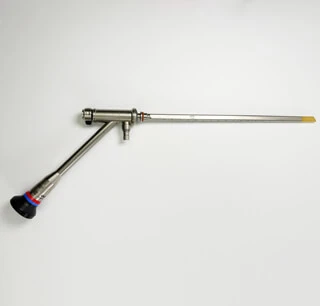
Flexible endoscopy offers enhanced comfort by following the body’s natural anatomical curves, reducing discomfort compared with rigid scopes such as the Karl Storz rigid endoscope. Real-time imaging, coupled with precise control via flexible components, allows accurate diagnosis and targeted treatment, resulting in improved patient outcomes.
Flexible endoscopy integrates diagnostic and therapeutic capabilities into a minimally invasive framework, prioritizing patient comfort while enabling high-quality clinical care. By understanding what is flexible endoscopy, the flexible endoscope structure, and the role of medical endoscope manufacturers in providing durable and reliable instruments, healthcare providers can optimize procedural effectiveness and ensure patient safety.
The combination of advanced design, high-quality materials, and adherence to proper sterilization and maintenance protocols makes flexible endoscopes indispensable tools in modern medicine.
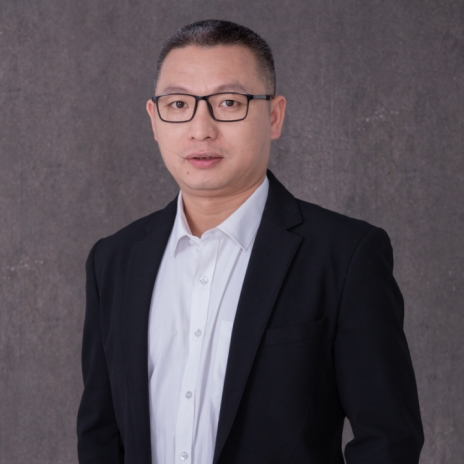
With years of dedication to the medical equipment industry, Shengjun He has leveraged his solid professional expertise and keen insight into industry trends to establish Sihan Medical as a leading force in the endoscope repair sector. Prior to founding Sihan Medical, he accumulated extensive experience in medical device maintenance—a foundation that proved instrumental for his entrepreneurial journey. His background spans hands-on equipment repair, technical R&D, and management, granting him comprehensive understanding of medical devices, from their underlying technology to market demands.