Tel: +86-19906868508
E-mail: info@sihanmed.com

Tel: +86-19906868508
E-mail: info@sihanmed.com
Endoscopy is an essential tool in modern medicine for visualizing and diagnosing internal organs. Choosing between flexible and rigid instruments depends on the anatomy being examined, the clinical goals, and the procedural requirements. Understanding the distinctions between these two types of endoscopy ensures optimal diagnostic accuracy and patient safety.
Flexible vs rigid endoscopy refers to the decision-making process of selecting the most appropriate instrument for a given diagnostic procedure. Flexible endoscopes are designed with bendable insertion tubes and distal tips capable of navigating complex anatomical pathways. This makes them ideal for areas with curves or winding structures, such as the gastrointestinal tract or bronchial tree.
In contrast, rigid endoscopes are straight, inflexible instruments that provide superior image stability and precision in linear anatomical regions. They are often used for procedures involving the ear, nose, throat, or urinary tract where direct, straight-line access is possible.
When determining whether to use flexible or rigid instruments, clinicians consider several factors:
Anatomical complexity: Flexible endoscopes excel in winding or curved pathways, allowing navigation without excessive force or tissue trauma. Rigid endoscopes are best suited for straight-line anatomy where stability and precision are priorities.
Patient comfort: Flexible endoscopy generally reduces discomfort, as the instrument adapts to the body’s natural contours. Rigid endoscopy can be more invasive and may require sedation for certain procedures.
Diagnostic goals: Flexible endoscopes often allow combined diagnostic and therapeutic interventions, including biopsies or lesion removal. Rigid scopes provide high-resolution visualization, especially in surgical or specialized diagnostic applications.
Flexible endoscopes are widely used in gastroenterology, pulmonology, and urology. They enable procedures such as colonoscopy, gastroscopy, and bronchoscopy, offering versatility in both diagnostics and minimally invasive therapy. Understanding flexible endoscope uses is critical for optimizing patient outcomes.
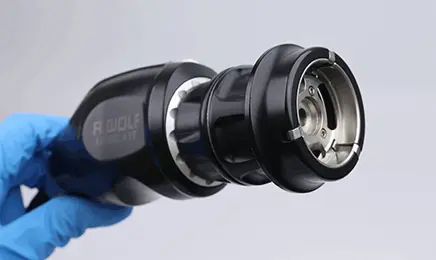
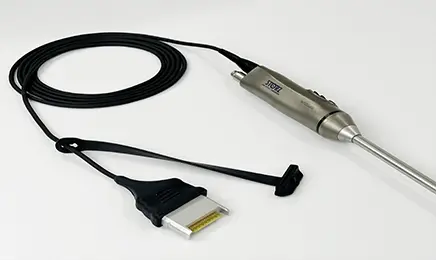
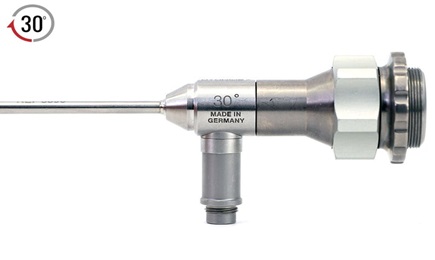
Rigid endoscopes, including devices like the Karl Storz rigid endoscope, are ideal for procedures that require precise control in linear anatomical regions. They are commonly used in ENT surgery, cystoscopy, and arthroscopy, where stability and clarity are paramount.
Hospitals often rely on trusted medical endoscope manufacturers and top endoscopy companies to provide high-quality instruments and replacement components. Equipment maintenance, including checks of the endoscope bending section and sterilization according to sterilization of endoscope is done by which solution, ensures safety and reliability.
Flexible endoscopes feature a flexible endoscope structure that includes an insertion tube, control section, distal tip with camera and illumination, and working channels. Knowledge of flexible endoscope parts and function is essential for safe operation. Rigid scopes are simpler in design but require careful handling and proper maintenance.
Proper cleaning, sterilization, and occasional replacement of components such as endoscopy replacement parts or endoscope processing parts are vital to maintain performance and patient safety. Advanced tools like the Olympus scope leak tester or Karl Storz leak tester help verify device integrity before clinical use.
Choosing between flexible and rigid endoscopy depends on balancing patient comfort, anatomical challenges, diagnostic goals, and procedural complexity. Flexible instruments are preferred for curved or winding anatomy, offering versatility and combined therapeutic capabilities. Rigid instruments provide stability, precision, and superior image quality in linear regions, making them indispensable for certain surgical or diagnostic applications.
Understanding flexible vs rigid endoscopy allows clinicians to select the most appropriate instrument for each procedure. By considering anatomy, patient comfort, and diagnostic goals, healthcare providers can ensure accurate, safe, and efficient diagnostics. Supported by reliable medical endoscope manufacturers and proper maintenance practices, both flexible and rigid endoscopes remain fundamental tools in modern medical care.

With years of dedication to the medical equipment industry, Shengjun He has leveraged his solid professional expertise and keen insight into industry trends to establish Sihan Medical as a leading force in the endoscope repair sector. Prior to founding Sihan Medical, he accumulated extensive experience in medical device maintenance—a foundation that proved instrumental for his entrepreneurial journey. His background spans hands-on equipment repair, technical R&D, and management, granting him comprehensive understanding of medical devices, from their underlying technology to market demands.
This is the first one.