Tel: +86-19906868508
E-mail: info@sihanmed.com

Tel: +86-19906868508
E-mail: info@sihanmed.com
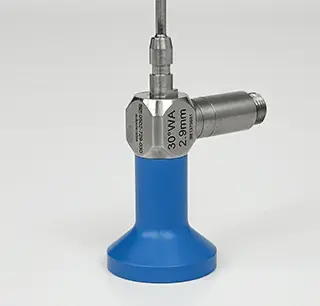
When selecting rigid endoscopes for surgical applications, Wolf and Olympus are two of the most recognized brands worldwide. Both offer high-quality, autoclavable instruments for urology, arthroscopy, and general endoscopic procedures, but they differ in optical systems, mechanical durability, workflow integration, and serviceability. Understanding these differences is crucial for hospitals, surgical centers, and procurement teams looking to optimize both performance and cost-efficiency.
Wolf rigid endoscopes focus on modular design and flexible system integration, providing reliable visualization and easy component replacement. Olympus rigid endoscopes, often built around rod lens endoscope technology, offer high optical clarity and durable construction suitable for multi-specialty applications. Both brands are autoclavable, compatible with standard surgical cameras, and supported by endoscope repair specialists. The choice depends on workflow preferences, repair infrastructure, and budget considerations.
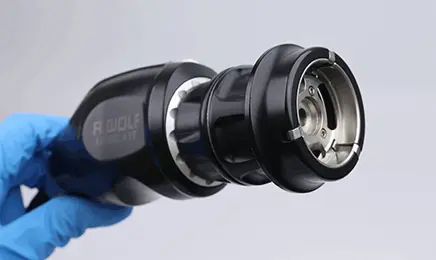
Wolf Rigid Endoscopes employ modular optics designed to integrate seamlessly with Wolf camera systems. Their scopes offer high-definition imaging, multiple viewing angles, and consistent brightness. Modular components, including lens assemblies and light adapters, allow hospitals to maintain optimal image quality without replacing entire instruments.
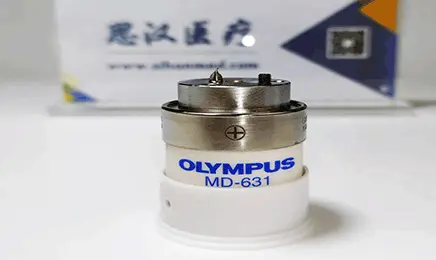
Olympus Rigid Endoscopes utilize traditional rod lens endoscope systems, known for producing sharp, high-contrast images with reliable color fidelity. These scopes perform consistently even after repeated sterilization cycles, making them ideal for high-volume operating rooms.
Key considerations:
Wolf: Enhanced system integration, flexible lens selection, modular upgrades.
Olympus: Proven rod-lens optics, stable brightness, multi-specialty versatility.
Both Wolf and Olympus scopes are designed to withstand repeated sterilization and high-volume surgical use.
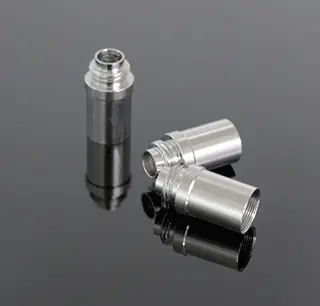
Wolf: Modular components such as the suction channel and forceps channel can be replaced individually, reducing downtime and repair costs. Their autoclavable construction ensures consistent performance over multiple sterilization cycles.
Olympus: Known for robust stainless-steel construction, Olympus scopes maintain optical alignment and structural integrity over years of usage. Hospitals often partner with endoscope repair specialists to maintain instruments, replace worn parts, and ensure operational reliability.
Wolf rigid endoscopes excel in modular integration. Their design allows hospitals to swap components to match specific procedures, improving workflow efficiency in urology, ENT, and arthroscopy. Wolf’s emphasis on system compatibility streamlines camera, light, and monitor connectivity.
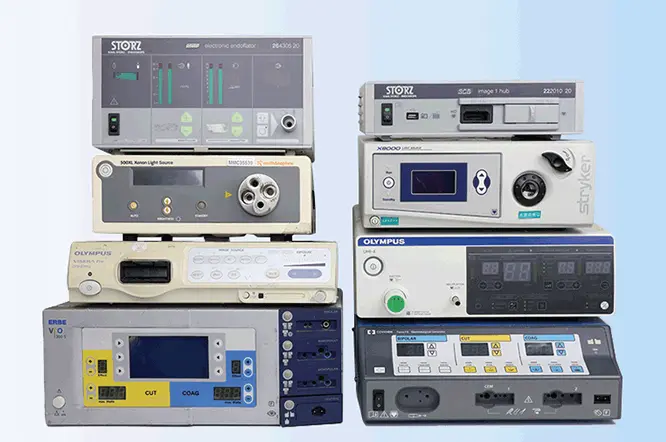
Olympus rigid scopes are highly versatile across specialties due to their stable rod-lens optical performance. Olympus scopes are compatible with multiple camera heads and light sources, making them ideal for hospitals with mixed OR systems.
While both brands represent premium surgical instruments, the cost structure varies:
Wolf: Modular systems may require higher upfront investment but reduce long-term downtime through easily replaceable parts.
Olympus: Typically lower initial costs if the hospital already uses compatible Olympus cameras. Long-term TCO benefits from durability and repair support.
Hospitals should evaluate endoscope parts for sale, repair contracts, and replacement schedules to calculate five-year TCO. High-volume surgical centers may value modular replacement more, while multi-specialty hospitals may prioritize optical versatility.
| Feature / Consideration | Wolf Rigid Endoscopes | Olympus Rigid Endoscopes |
|---|---|---|
| Optical system | Modular HD optics, system integration | Rod-lens endoscope, consistent clarity |
| Clinical versatility | Modular, procedure-specific | Multi-specialty, cross-platform compatible |
| Mechanical durability | Replaceable suction/forceps channels | Robust stainless steel, autoclavable |
| Maintenance & repair | Modular repairs, minimal downtime | Endoscope repair specialists, training programs |
| Cost/TCO | Higher upfront, potentially lower downtime | Lower upfront, durable, predictable TCO |
Olympus rigid endoscopes provide consistent brightness and color fidelity via rod lens endoscope technology, while Wolf emphasizes modular HD optics optimized for their camera systems.
Yes. Proper rigid endoscope cleaning and sterilization are critical to maintain optical performance.
Yes. Both brands offer access to endoscope parts for sale and work with endoscope repair specialists for component replacement.
Yes, hospitals often provide rigid endoscope repair training to in-house technicians or collaborate with third-party service providers.
Olympus may offer lower upfront costs for hospitals with existing compatible systems, while Wolf’s modular design can reduce downtime costs in high-volume surgical centers.

With years of dedication to the medical equipment industry, Shengjun He has leveraged his solid professional expertise and keen insight into industry trends to establish Sihan Medical as a leading force in the endoscope repair sector. Prior to founding Sihan Medical, he accumulated extensive experience in medical device maintenance—a foundation that proved instrumental for his entrepreneurial journey. His background spans hands-on equipment repair, technical R&D, and management, granting him comprehensive understanding of medical devices, from their underlying technology to market demands.