Tel: +86-19906868508
E-mail: info@sihanmed.com

Tel: +86-19906868508
E-mail: info@sihanmed.com
Flexible endoscopes are essential tools in modern medicine, enabling clinicians to perform minimally invasive procedures with precision while maximizing patient comfort. Their unique design allows them to navigate anatomical curves that rigid instruments cannot, making them indispensable in a variety of diagnostic and therapeutic applications.
A flexible endoscope definition describes it as a medical device with a bendable tube, integrated camera, and illumination system. Unlike rigid scopes, this design allows the instrument to follow the natural contours of the body, enabling access to areas such as the gastrointestinal tract, airways, and urinary system. This adaptability is what distinguishes flexible endoscopes from traditional rigid instruments in clinical practice.
The flexible endoscope structure is engineered to combine maneuverability, durability, and imaging quality. Key components include:
Insertion tube: Made of high-quality endoscope material, designed to bend without compromising internal channels.
Control section: Provides the clinician with precise manipulation of the distal tip.
Distal tip: Contains the camera and light source for high-resolution visualization.
Working channels: Allow insertion of instruments for biopsies, tissue removal, or other therapeutic interventions.
Understanding flexible endoscope parts and function is critical for clinicians to ensure safe and effective use during procedures. Components such as the endoscope bending section and endoscope bending rubber allow precise navigation and protect the instrument from wear.
Flexible endoscopes are widely used in gastrointestinal, pulmonary, and urological procedures. The flexible endoscope uses include:
Diagnostic examinations like colonoscopy, gastroscopy, and bronchoscopy
Biopsy collection during diagnostic procedures
Therapeutic interventions such as mucosal resection, removal of foreign objects, or controlling minor bleeding
These capabilities reduce the need for invasive surgery and enhance procedural efficiency.
Maintaining flexible endoscopes is critical for patient safety and device longevity. Proper cleaning and sterilization protocols, guided by sterilization of endoscope is done by which solution, typically employ high-level disinfectants such as glutaraldehyde or ortho-phthalaldehyde. Regular inspection using tools like the Olympus scope leak tester or Karl Storz leak tester ensures that the instrument remains in optimal condition.
Hospitals often source devices and replacement components from reputable medical endoscope manufacturers or top endoscopy companies, including endoscopy replacement parts, endoscope processing parts, and flexible endoscope accessories, to maintain consistent performance.
Compared with rigid devices such as the Karl Storz rigid endoscope, flexible endoscopes allow navigation through curved anatomical pathways with less discomfort to the patient. Procedures are faster, less invasive, and often more accurate due to real-time visualization and the ability to perform diagnostic and therapeutic actions in the same session.
The design of a flexible endoscope integrates advanced imaging, precise control, and durable construction, making it a cornerstone of minimally invasive medicine. By understanding the flexible endoscope definition, the structure, and function of its components, as well as following proper maintenance and sterilization practices, healthcare providers can deliver safer, more efficient, and patient-centered care. Supported by reliable medical endoscope manufacturers, flexible endoscopes continue to improve clinical outcomes across a range of medical disciplines.
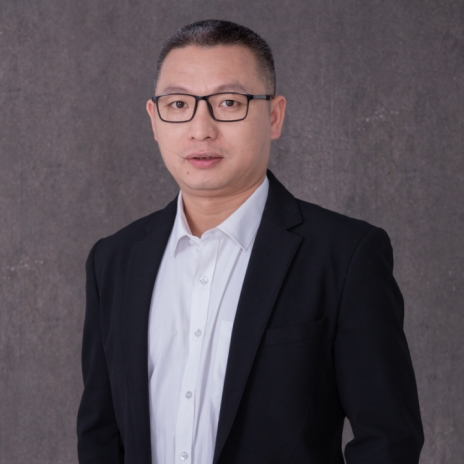
With years of dedication to the medical equipment industry, Shengjun He has leveraged his solid professional expertise and keen insight into industry trends to establish Sihan Medical as a leading force in the endoscope repair sector. Prior to founding Sihan Medical, he accumulated extensive experience in medical device maintenance—a foundation that proved instrumental for his entrepreneurial journey. His background spans hands-on equipment repair, technical R&D, and management, granting him comprehensive understanding of medical devices, from their underlying technology to market demands.
This is the first one.