Tel: +86-19906868508
E-mail: info@sihanmed.com

Tel: +86-19906868508
E-mail: info@sihanmed.com
Proper cleaning and disinfection of flexible endoscopes being critical for patient safety, meticulous protocols should always be followed.
Pre-cleaning at Point of Use
Wiping the insertion tube immediately after use prevents debris from drying.
Flushing channels with enzymatic solution reduces biofilm formation.
Leak Testing
Conducted before immersion, it identifies damage requiring repair.
Skipping this step may lead to fluid ingress and internal contamination.
Manual Cleaning
Using manufacturer-approved brushes ensures proper scrubbing of channels.
Enzymatic detergents must cover all surfaces to break down organic matter.
High-Level Disinfection (HLD)
Whether automated or manual, HLD destroys vegetative microorganisms.
Insufficient contact time rendering the process ineffective should be avoided.
Drying & Storage
Hanging vertically prevents moisture retention in channels.
Stored improperly, endoscopes become prone to bacterial colonization.
There being no room for error, each step must be validated regularly.

Given their intricate designs, these high-end endoscopes demand customized reprocessing methods. As leading flexible endoscope manufacturers often emphasize, the precision of these instruments requires strict adherence to specialized protocols to maintain both patient safety and device longevity.
Channel Complexity
Smaller lumens in Olympus scopes requiring specialized brushes.
Pentax designs featuring auxiliary channels that trap debris easily.
Material Sensitivity
Karl Storz coatings degrading with incorrect pH disinfectants.
Aggressive chemicals shortening the lifespan of Pentax distal ends.
Automated Reprocessor Compatibility
Not all systems accommodate Olympus’s elevator mechanisms.
Karl Storz recommending specific cycle parameters for validation.
Manufacturer Validations
Third-party chemicals voiding warranties if unapproved.
Olympus providing proprietary test protocols for compliance.
Refurbished Unit Considerations
Previously refurbished endoscope needing extra leakage checks.
Older Karl Storz models requiring adapter kits for newer disinfectors.
Were standard protocols applied uniformly, irreparable damage might occur.
Despite established guidelines, common errors persist in clinical practice.
Inadequate Pre-Cleaning
Delayed reprocessing allowing organic debris to harden.
Rinsing instead of brushing increasing biofilm risk.
Improper Drying
Stored horizontally causing residual moisture accumulation.
Compressed air filters neglected, blowing contaminants inward.
Ignoring Leak Tests
Minor floods undetected, leading to electrical failures.
Plunger seals deteriorating silently during reprocessing.
Overused Cleaning Tools
Worn-out bristles failing to scrub channel surfaces.
Reused sterilization bags introducing cross-contamination.
Documentation Gaps
Lot numbers of disinfectants not tracked properly.
Staff training records lacking for audit purposes.
Had these been addressed systematically, infection rates would drop significantly.
Validating cleaning efficacy being non-negotiable, specialized tools exist for verification.
Tool | Function | Key Considerations |
|---|---|---|
ATP Bioluminescence Testing | Detects residual organic matter on surfaces. | Higher readings indicate inadequate cleaning. |
Channel Flush Samplers | Collects fluid from lumens for microbial culture. | Essential for Pentax’s complex suction channels. |
Borescope Inspections | Visualizes internal scratches or fluid remnants. | Critical for refurbished Karl Storz scopes post-repair. |
Protein Residual Tests | Colorimetric strips identify leftover contaminants. | False negatives may occur with certain disinfectants. |
Automated Record-Keeping | Digital logs track each reprocessing cycle. | Olympus Connect systems instantly flag deviations. |
Though pre-owned, refurbished endoscopy equipment undergoes rigorous sterilization matching OEM standards.
Factory-Level Reprocessing
Complete disassembly exposing all internal components.
Ultrasonic cleaning applied to remove microscopic debris.
Channel Integrity Checks
Pressure testing guaranteeing no leaks exist.
Bending tests performed to assess flexion integrity.
OEM-Grade endoscope components
Genuine Olympus/Karl Storz seals replacing worn parts.
Distal lenses repolished to original clarity.
Post-Refurbishment Validation
Third-party lab microbial testing conducted.
ATP benchmarks meeting or exceeding new unit levels.
Documented Sterility Assurance
Certificates provided with each refurbished scope.
Tracking sterilization dates for compliance audits.
Had corners been cut during refurbishment, performance would inevitably suffer.
You May Like:
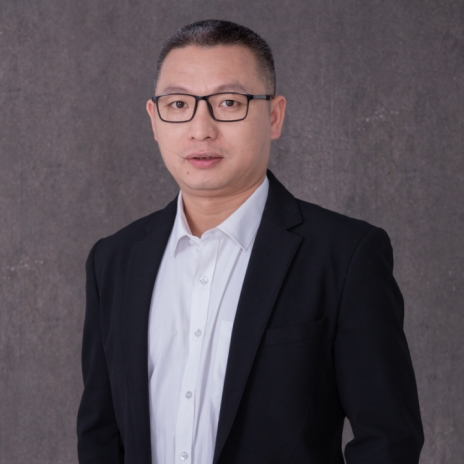
With years of dedication to the medical equipment industry, Shengjun He has leveraged his solid professional expertise and keen insight into industry trends to establish Sihan Medical as a leading force in the endoscope repair sector. Prior to founding Sihan Medical, he accumulated extensive experience in medical device maintenance—a foundation that proved instrumental for his entrepreneurial journey. His background spans hands-on equipment repair, technical R&D, and management, granting him comprehensive understanding of medical devices, from their underlying technology to market demands.