Tel: +86-19906868508
E-mail: info@sihanmed.com

Tel: +86-19906868508
E-mail: info@sihanmed.com
Effective sterilization of endoscope equipment is a critical requirement in modern medical practice. Because endoscopes are repeatedly reused and come into direct contact with mucous membranes and internal tissues, improper disinfection of endoscope systems can lead to cross-contamination, hospital-acquired infections, and regulatory non-compliance. This guide explains the most commonly used endoscope disinfection solution options, compares high-level disinfectants, and outlines best-practice protocols used in clinical settings.
Disinfection solution for flexible endoscopes: Flexible endoscopes are usually used for inspection and treatment of the digestive tract, respiratory tract and other parts. Their structure is relatively complex and contains multiple curved and narrow channels. Therefore, special attention should be paid to the disinfection of flexible endoscopes. Commonly used disinfection solutions include glutaraldehyde and peracetic acid. Glutaraldehyde is a highly effective disinfectant that can effectively kill bacteria, viruses and fungi, but it should be noted that the concentration and immersion time must be strictly controlled when using glutaraldehyde to avoid damage to flexible endoscope parts and materials. Peracetic acid has strong oxidizing properties, can quickly kill microorganisms, and is environmentally friendly, but it is also necessary to pay attention to the concentration and time of use.
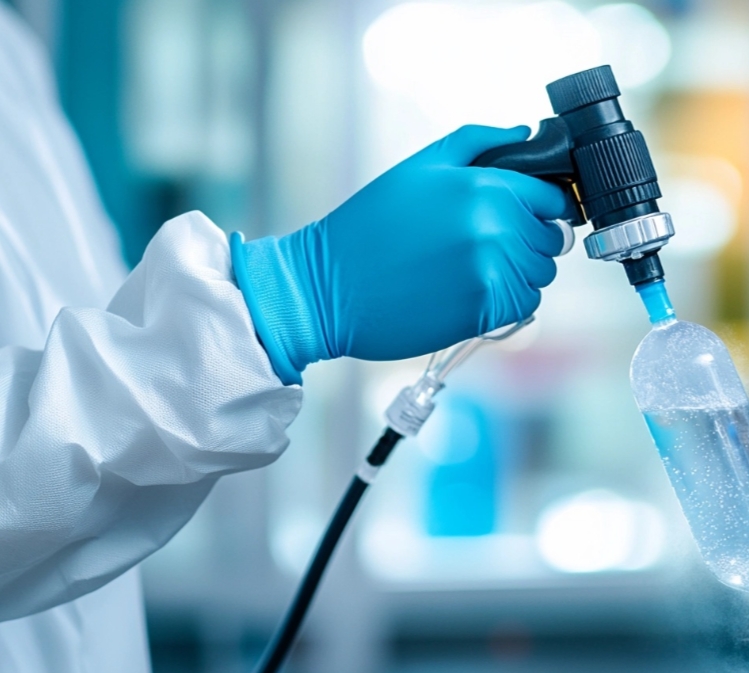
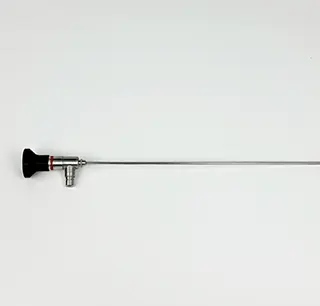
Disinfection solution for rigid endoscopes (video endoscopes): Rigid scopes are usually used for inspection and surgery of joints, abdominal cavities and other parts. Due to its relatively simple structure, the disinfection process is relatively easy. Commonly used disinfection solutions include alcohol and sodium hypochlorite. Alcohol is a common disinfectant with good bactericidal effect and is suitable for surface disinfection of rigid endoscopes. Sodium hypochlorite is a powerful disinfectant that can effectively kill various pathogens, but it should be noted that sodium hypochlorite is highly corrosive and should be avoided from long-term contact with the metal part of the endoscope to prevent corrosion.Routine use of tools such as olympus scope leak tester, zutron leak tester, or karl storz leak tester before sterilization ensures channels are intact and suitable for high-level disinfection. Clinics working with a reliable rigid endoscope supplier or rigid endoscope manufacturers will also ensure access to appropriate endoscopy machine parts needed for routine sterilization and maintenance.
Regardless of endoscope type, standardized protocols are essential for safe and effective sterilization of endoscope systems:
1. Thorough Pre-Cleaning – All organic debris must be removed before chemical disinfection.
2. Manufacturer-Recommended Parameters – Always follow specified concentration, temperature, and immersion times.
3. Post-Disinfection Rinsing – Residual chemicals must be completely removed to prevent patient harm.
4. Routine Inspection and Maintenance – Regular testing and servicing ensure consistent disinfection outcomes.
During routine inspections, accessories such as Olympus scope leak tester devices are often used to detect micro-leaks that could compromise internal disinfection efficacy.
When it comes to ensuring the safety and effectiveness of endoscope sterilization, selecting the right disinfectant is crucial. Glutaraldehyde and peracetic acid are two of the most widely used solutions in clinical settings, each offering unique advantages for high-level disinfection.
Glutaraldehyde is known for its broad-spectrum antimicrobial activity and long-standing reliability. It is particularly effective against bacteria, viruses, and fungi, making it a trusted choice for flexible and rigid endoscopes. As many endoscopy machine manufacturers suggest, proper concentration and contact time are essential to maintain efficacy and prevent damage to sensitive equipment.
On the other hand, peracetic acid provides rapid sterilization and strong oxidizing power, which helps reduce microbial contamination efficiently. It is biodegradable and environmentally friendly, making it a preferred option for healthcare facilities aiming for sustainable practices, especially when using advanced equipment sourced from a reliable industrial endoscope manufacturer. However, careful handling is necessary to ensure both staff safety and consistent sterilization results.
In high-volume facilities, technical teams often rely on medical endoscope camera suppliers and endoscope parts supplier partnerships to ensure that all components — from imaging systems to sterilization accessories — are compatible and easy to service when needed.
Comparison Chart: Glutaraldehyde vs. Peracetic Acid
| Feature | Glutaraldehyde | Peracetic Acid |
| Disinfection Level | High-level | High-level |
| Speed of Action | Moderate | Rapid |
| Material Compatibility | Requires strict control | Generally better |
| Environmental Impact | Moderate | Biodegradable |
| Occupational Safety | Requires ventilation | Requires careful handling |
Both agents remain industry standards for endoscope sterilization, and selection should align with device compatibility, workflow efficiency, and regulatory requirements. By understanding the strengths and limitations of glutaraldehyde and peracetic acid for endoscope sterilization, healthcare professionals can make informed decisions to maintain patient safety, protect delicate medical instruments, and ensure compliance with regulatory standards.
Healthcare facilities managing large procedure volumes often integrate disinfection protocols with equipment lifecycle planning. This includes sourcing compatible accessories, evaluating endoscope parts for sale, and assessing capital investments such as endoscopy machine for sale options for new or expanding departments.
For advanced electrosurgical applications, cost evaluation of systems like olympus esg 400 price may also factor into overall endoscopy suite planning.
Choosing the right endoscope disinfection solution is essential for patient safety, regulatory compliance, and equipment longevity. By understanding disinfectant properties, following standardized protocols, and maintaining equipment integrity, healthcare providers can ensure reliable and effective endoscope sterilization outcomes in daily clinical practice.
The following table summarizes commonly used endoscope disinfection solution options in clinical practice. This comparison is intended to support decision-making without replacing manufacturer or regulatory guidance.
| Disinfectant | Typical Application | Advantages | Key Considerations |
| Glutaraldehyde | Flexible & rigid endoscopes | Broad-spectrum efficacy, widely validated | Requires strict concentration control, ventilation needed |
| Peracetic Acid | Flexible endoscopes | Rapid action, biodegradable | Strong oxidizing agent, precise dosing required |
| Alcohol | Rigid endoscopes (surface) | Fast acting, easy to apply | Not suitable for internal channels |
| Sodium Hypochlorite | Rigid endoscopes | Strong antimicrobial activity | Corrosive to metals with prolonged exposure |
Beyond chemical processing, healthcare facilities often integrate endoscope reprocessing with broader equipment management strategies. This may include evaluating compatible accessories, sourcing endoscope parts for sale, or testing devices using tools such as olympus scope leak tester units during routine maintenance.
Optical clarity also plays a role in long-term usability, as damaged components like a glass rod lens can affect both imaging quality and internal reprocessing outcomes. Some facilities choose refurbished endoscopy equipment to balance budget constraints with operational needs, while others assess capital investments such as an endoscopy machine for sale when expanding procedural capacity. Cost planning may also involve reviewing system pricing benchmarks like olympus esg 400 price as part of a comprehensive endoscopy suite evaluation.
No. Most flexible endoscopes undergo high-level disinfection rather than true sterilization. The term sterilization of endoscope is often used generically, but only certain devices can withstand full sterilization processes.
Endoscopes must undergo complete cleaning and disinfection after every patient use, regardless of procedure type.
Incomplete disinfection of endoscope equipment can result in infection transmission, device damage, and regulatory penalties.
No. Structural damage, internal leaks, or degraded optical components—such as a compromised glass rod lens—can prevent effective disinfection and require repair or replacement.
Yes, when properly reprocessed and certified. Many facilities use refurbished endoscopy equipment to reduce costs while maintaining clinical safety standards.
Glutaraldehyde and peracetic acid are the most commonly used solutions for high-level disinfection of endoscope devices, particularly flexible endoscopes with complex internal channels.
In most clinical settings, flexible endoscopes undergo high-level disinfection rather than full sterilization. The term sterilization of endoscope is often used broadly, but the actual method depends on device design and manufacturer recommendations.
Immersion time varies depending on the selected endoscope disinfection solution, its concentration, and regulatory guidance. Always follow the disinfectant and endoscope manufacturer’s instructions.
Yes. Excessive exposure or incorrect chemical concentrations may damage internal components, seals, or optical systems, reducing the effectiveness of future endoscope sterilization processes.
Yes. Flexible scopes require more complex disinfection of endoscope workflows due to internal channels, while rigid scopes generally allow simpler surface-based disinfection protocols.
Routine inspection helps identify leaks, wear, or component degradation that could prevent disinfectants from reaching all internal surfaces, directly impacting endoscope sterilization effectiveness.
You May Like:
Rigid Scope Buying Guide
Why Choose Sihanmed Olympus Repair Service
Flexible Endoscope Cleaning Disinfection Guide

With years of dedication to the medical equipment industry, Shengjun He has leveraged his solid professional expertise and keen insight into industry trends to establish Sihan Medical as a leading force in the endoscope repair sector. Prior to founding Sihan Medical, he accumulated extensive experience in medical device maintenance—a foundation that proved instrumental for his entrepreneurial journey. His background spans hands-on equipment repair, technical R&D, and management, granting him comprehensive understanding of medical devices, from their underlying technology to market demands.