Tel: +86-19906868508
E-mail: info@sihanmed.com

Tel: +86-19906868508
E-mail: info@sihanmed.com
Navigating the world of medical equipment can be daunting, especially when selecting a rigid endoscope that meets the precise needs of your healthcare facility. With advancements in endoscopic technology and a variety of options available, understanding key factors such as optical clarity, durability, and cost-effectiveness is crucial for making an informed purchase.
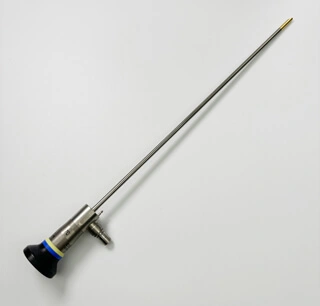
When buying a rigid endoscope, prioritize optical clarity, durability, sterilization compatibility, and cost-effectiveness. Verify the scope’s resolution, field of view, and construction quality, and ensure it meets industry standards like ISO 13485.
Whether you’re equipping a hospital, clinic, or surgical center, the following sections will delve into critical considerations, from lens quality and sterilization methods to brand reputation and after-sales support, empowering you to make a confident and strategic investment in your medical practice.
Rigid scopes aren’t one-size-fits-all—each specialty demands a different ‘superpower’. Before falling for shiny specs, ask:
"Who’s the patient?"
Ortho surgeons need durable, wide-angle scopes for joint chaos.
ENT wizards prefer narrow, high-res scopes for sneaky sinuses.
General surgeons hunt for versatile, mid-range scopes.
"To 4K or not to 4K?" (That is the question.)
Though HD is standard, if your procedures flirt with microscopic details, 4K might justify its extra cost.
"Single-use or forever-love?"
Disposable scopes save sterilization headaches (perfect for high-turnover ORs), but reusable ones win long-term budget games.
"How light-hungry are you?"
Low-light environments (e.g., deep cavities) demand brighter optics, while well-lit ORs can compromise.
Medical Field | Rigid Endoscope Name Examples | Brand Examples | Application Scenarios |
|---|---|---|---|
ENT (Otolaryngology) | Otoscope 72008 (Ø 2.7x107.5 mm, 30°) | Olympus, Karl Storz, Stryker | Sinus examination, throat inspection, ear canal diagnosis |
Urology | Cystoscope 40302NE.HD (4mm, 70°) | Olympus, Richard Wolf, ESC Medicams | Cystoscopy, urethral examination, prostate surgery |
Orthopedics | Arthroscope (4x175 mm) | Karl Storz, Stryker, Smith & Nephew | Arthroscopic examination (e.g., knee, shoulder), minimally invasive surgery |
Gynecology | Hysteroscope A4 series (4.5-6.5mm) | Olympus, Delmont imaging, GIMMI | Uterine examination, hysteroscopic surgery |
Neurosurgery | Neuroendoscope (2-4mm, 50°-90°) | Richard Wolf, EMOS Technology | Ventriculoscopy, intracranial minimally invasive surgery |
Not all brands wear capes—some just sell overpriced magnifying glasses. Here’s how to spot the heroes:
The Legacy Heroes (Karl Storz, Olympus, Stryker)
Perfect if your hospital demands ‘brand prestige.’
The Underdogs (Rigid Scope Startup X, OEM Suppliers)
Cheaper, but QC roulette—proceed with audits.
Ideal if budget rules but risks are calculated.
The Customizers (Boutique Manufacturers)
Need special angles/sizes? They tailor.
Warning: Lead times can test your patience.
When evaluating refurbished options:
It's wise to consider specialized suppliers like SihanMedical, whose rigorous refurbishment protocols breathe new life into pre-owned scopes while maintaining performance at nearly-new levels. These professionally renovated devices such as wa33036a olympus offers clinics substantial savings - sometimes up to 60% off new equipment prices - without the quality compromises often associated with uncertified secondhand markets, making them particularly attractive for budget-conscious practices that still demand reliability.

Check Their ‘Vital Signs’:
Warranty length? (Less than 3 years? Side-eye.)
Repair network? (If they outsource, delays lurk.)
Training support or rigid endoscope repair training support ? (Without it, your staff morphs into frustrated detectives.)
Pro Tip: Don’t let brand bias blind you—sometimes the ‘B-team’ delivers A+ value.
Money talks—but cheaping out now might scream later in repair bills. Balance these forces:
The "I Need It Yesterday" Budget
Go refurbished (if backed by warranty).
Skip fancy add-ons (e.g., 3D scopes) unless urgent.
The "I’ll Grow Into It" Budget
Prioritize modular systems (e.g., interchangeable lenses).
Plan for upgrades (cameras, light sources).
The Compatibility Game
Better: Open-platform designs cut long-term replacement costs.
Pro Tip: If buying feels like gambling, ask for a trial period—your OR team will thank you.
Choosing a rigid scope is like dating: ignore the flaws now, pay for therapy later. Match clinical needs, brand reliability, and budget—then let your perfect ‘glass partner’ shine.
You May Like:
Sterilization of Endoscope Is Done by Which Solution

With years of dedication to the medical equipment industry, Shengjun He has leveraged his solid professional expertise and keen insight into industry trends to establish Sihan Medical as a leading force in the endoscope repair sector. Prior to founding Sihan Medical, he accumulated extensive experience in medical device maintenance—a foundation that proved instrumental for his entrepreneurial journey. His background spans hands-on equipment repair, technical R&D, and management, granting him comprehensive understanding of medical devices, from their underlying technology to market demands.